Specializing in the production of Plastic Pulverizer Machines.

Views: 0 Author: Site Editor Publish Time: 2026-11-09 Origin: Site
When purchasing a plastic pulverizer, machine price is often one of the first considerations for buyers. However, a complete quotation should specify not only the equipment price but also the technical configuration, scope of supply, expected performance, and commercial terms.
Two plastic pulverizers with similar rated capacities may have different prices due to differences in grinding structures, core component materials, cooling systems, and auxiliary equipment. Therefore, comparing the total quotation price alone is not enough to determine which solution best meets actual production requirements.
This article explains what a plastic pulverizer quotation should include, the factors that affect machine prices, and how buyers can compare suppliers through material testing, operating costs, and technical acceptance criteria.
A detailed plastic pulverizer quotation should clearly specify the machine's technical specifications, scope of supply, and optional configurations.
Quotation Item | Information to Confirm |
|---|---|
Pulverizer main unit | Machine model, grinding diameter, motor power, and voltage |
Grinding components | Grinding disc or rotor structure, material, and quantity |
Feeding system | Feeding method and control system |
Cooling system | Air cooling, water cooling, and utility requirements |
Electrical control | PLC, VFD, HMI, and major electrical component brands |
Screening and collection | Screening machine, cyclone separator, dust collector, and rotary airlock valve |
Spare parts | Spare grinding discs, blades, screens, and quantities |
Installation services | Commissioning, training, and responsibilities of both parties |
Buyers should distinguish between a standalone pulverizer quotation and a complete pulverizing line quotation.
A standalone machine quotation may include only the pulverizer main unit and its essential components. A complete production line may also include feeding, conveying, screening, powder collection, and dust removal equipment.
Grinding components required for normal machine operation are generally included in the main unit configuration. However, additional spare grinding discs, blades, and screens may be quoted separately, depending on the agreed scope of supply.
Buyers should therefore request an itemized quotation to avoid misleading price comparisons caused by differences in equipment configurations.

The processing characteristics of plastic materials, feed conditions, and target powder specifications are important factors in determining the appropriate equipment configuration.
PE, PP, PVC, and PA have different hardness, toughness, and heat sensitivity characteristics, which may require different grinding structures and cooling configurations.
For example, processing PE pellets and rigid PVC scraps involves different requirements. Equipment should not be selected solely on the basis of the same target production capacity.
Feed conditions can also affect the quotation. Plastic pellets can generally enter a suitable feeding system directly, while larger pipe, sheet, or profile scraps may require pre-crushing.
Buyers should therefore specify the material grade, formulation characteristics, feed form, and dimensions so that suppliers can determine whether additional preprocessing equipment is necessary.
Target particle size affects grinding conditions, screening configurations, and actual production capacity.
For example, producing 20-mesh powder and 60-mesh powder may require different operating parameters, resulting in different production capacities.
It is important to understand that raw material throughput is not the same as qualified powder output.
A machine processing 600 kg of raw material per hour does not necessarily produce 600 kg of powder that meets the required particle size specifications.
For buyers with specific powder quality requirements, it is important to confirm the target particle size range, allowable coarse and fine powder fractions, and the actual hourly output of recovered, qualified powder.
Once the processing requirements have been established, the machine's mechanical structure, core components, and control configuration are among the main factors affecting quotation prices.
Larger pulverizer models generally use larger grinding components and higher-power drive systems, which may increase manufacturing costs.
However, a more powerful motor does not necessarily result in higher qualified powder output.
Machine performance also depends on the grinding structure, material characteristics, target particle size, and operating conditions. Buyers should evaluate machine specifications according to their actual production requirements rather than comparing motor power alone.

Grinding discs and blades are important wear components in plastic pulverizers. Their materials, tooth geometry, machining precision, and heat treatment processes can affect grinding performance and maintenance requirements.
Solid grinding discs and segmented grinding disc designs differ in their component replacement, regrinding, and maintenance costs.
Buyers should confirm the grinding component materials, mounting specifications, spare part prices, and supply lead times to evaluate long-term operating costs.
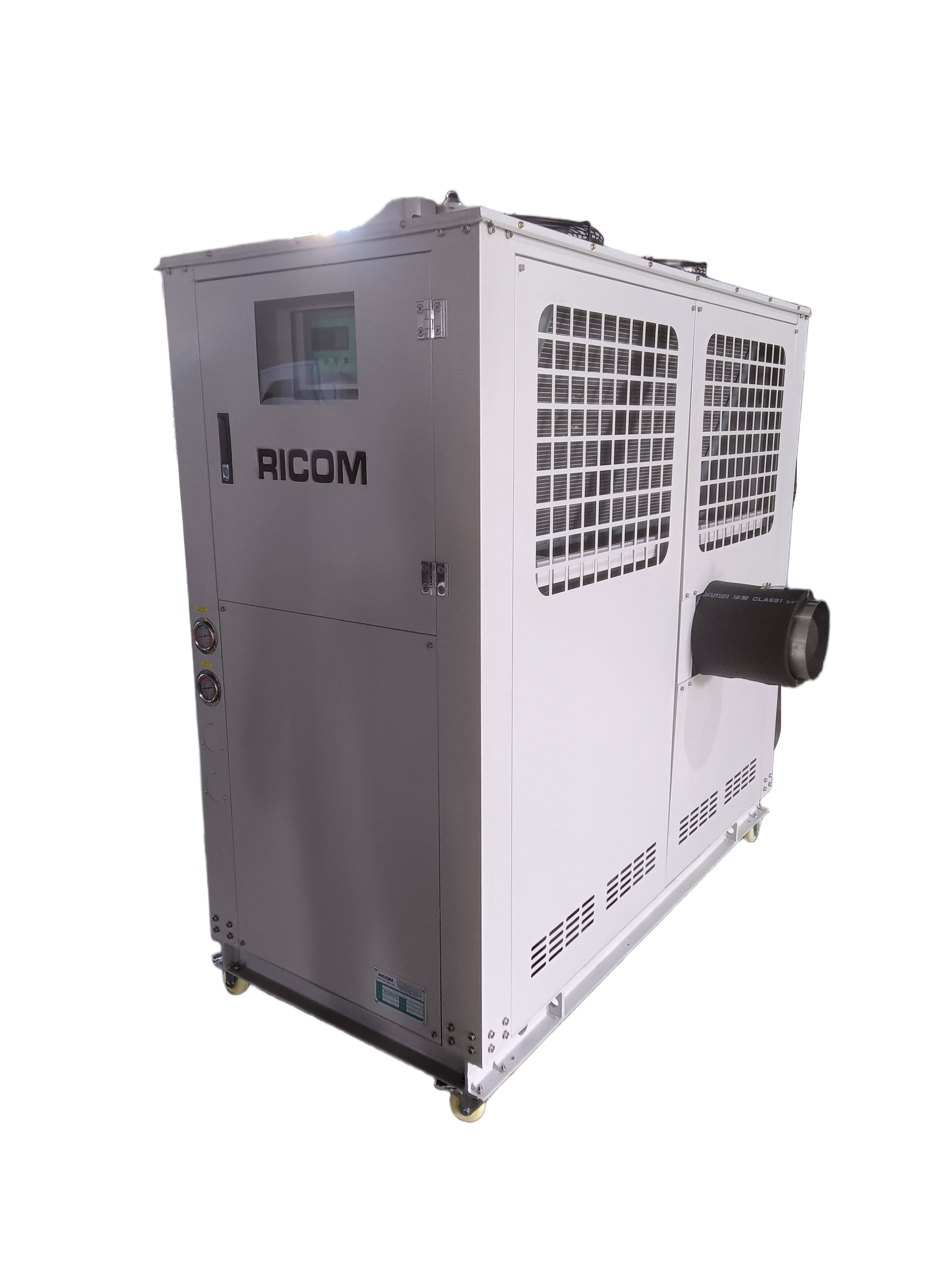
PLCs, variable frequency drives (VFDs), human-machine interfaces (HMIs), and monitoring functions can affect the level of automation and the machine's purchase price.
Cooling systems should be selected according to material characteristics and processing conditions. For materials prone to softening or adhesion due to frictional heat, suitable air cooling, water cooling, or combined cooling systems can help control processing temperatures.
Buyers should clarify which functions are included as standard and which require additional payment.
The quoted equipment price does not necessarily represent the total project cost. International buyers should confirm whether transportation, installation, and other potential expenses are included.
Cost Item | Information to Confirm |
|---|---|
Additional spare parts | Prices of spare grinding discs, blades, and screens |
Packaging | Export packaging methods and related charges |
Freight and insurance | Transportation coverage, insurance responsibilities, and costs |
Import expenses | Import duties, taxes, customs clearance, and destination port charges |
Installation and commissioning | On-site labor, electrical connections, and commissioning responsibilities |
Engineer travel expenses | Airfare, accommodation, and local transportation |
International transportation costs and responsibilities depend on the agreed trade terms.
For example, EXW, FOB, and CIF involve different delivery obligations and cost allocations. A CIF quotation generally does not automatically include import customs clearance, import duties and taxes, or transportation from the destination port to the buyer's factory.
Before purchasing, buyers should confirm the applicable Incoterms® 2020 rules, the named place or port, and the specific costs borne by each party.
A reasonable quotation comparison should involve three steps: standardizing the scope of supply, verifying actual machine performance, and calculating the operating cost per kilogram of qualified powder.
First, review the main machine specifications, grinding components, electrical configurations, and auxiliary equipment offered by each supplier.
If one quotation excludes screening, conveying, or powder collection systems, its price cannot be directly compared with a quotation for a complete production line.
Buyers should identify configuration differences using itemized supply lists before comparing prices.
Rated machine capacity does not always reflect actual production performance.
Where possible, buyers should request pulverizing tests using their own materials and record the following data:
Material grade, formulation, and feed size
Grinding configuration and main operating parameters
Test duration and raw material throughput
Particle size distribution and qualified powder output
Processing temperature and powder collection performance
The purpose of material testing is to verify whether the machine can produce powder that meets the required specifications under agreed testing conditions.
Test results from different suppliers should be compared under reasonably equivalent material conditions, target particle sizes, operating durations, and measurement methods.
A machine with a lower purchase price does not necessarily have a lower operating cost.
The operating cost per kilogram of qualified powder can be calculated using the following formula:
Operating Cost per kg of Qualified Powder = Hourly Operating Cost ÷ Hourly Qualified Powder Output
The following is a hypothetical example:
Indicator | System A | System B |
|---|---|---|
Hourly operating cost | $60 | $70 |
Qualified powder output | 400 kg/h | 550 kg/h |
Operating cost per kg of qualified powder | $0.150/kg | $0.127/kg |
In this example, System B has a higher hourly operating cost but a lower operating cost per kilogram of qualified powder.
Actual calculations should use a consistent cost basis, such as electricity, wear parts, routine maintenance, and applicable labor costs.
These figures are provided for illustration only and do not represent actual machine test results. Equipment depreciation, financing, and other ownership costs are not included.
In addition to equipment configurations, buyers should confirm the commercial terms and technical acceptance criteria specified in the quotation.
Item | Information to Confirm |
|---|---|
Quotation currency | USD, EUR, or another agreed currency |
Payment terms | Deposit, balance payment, and payment milestones |
Delivery time | Production lead time and shipment arrangements |
Trade terms | Applicable Incoterms and named place |
Warranty terms | Warranty period, coverage, and exclusions |
Technical documents | Operation manuals, equipment drawings, and electrical documentation |
Acceptance criteria | Inspection methods, material requirements, and performance specifications |
Quotation validity | Quotation expiration date |
For projects with specific production capacity requirements, buyers should define the material type, target particle size, testing conditions, and performance acceptance methods in the technical agreement.
This can help reduce disputes during equipment delivery and acceptance.
Providing complete processing requirements helps suppliers select suitable equipment and reduces unnecessary communication and quotation discrepancies.
Required Information | Example |
|---|---|
Plastic material | LDPE, HDPE, PP, PVC, PA6 |
Feed form | Plastic pellets or crushed material |
Feed size | 5–8 mm |
Target particle size | 20–60 mesh |
Target qualified powder output | 500 kg/h |
Power supply | 415 V, 50 Hz |
Scope of purchase | Standalone machine or complete production line |
Delivery destination | Country and destination port |
The above parameters are examples for quotation requests and do not represent guaranteed machine performance.
If buyers already have crushing, screening, or powder collection equipment, they should also provide the technical specifications of their existing systems so that suppliers can evaluate equipment compatibility.
Mao Yue specializes in manufacturing plastic pulverizing equipment and core grinding components. Its product range includes disc-type pulverizers for materials such as PE and PP, as well as pulverizing equipment designed for PVC processing applications.
By combining actual material testing with in-house grinding component manufacturing, Mao Yue helps customers verify equipment suitability before purchasing while clarifying core component specifications, scope of supply, and maintenance requirements.

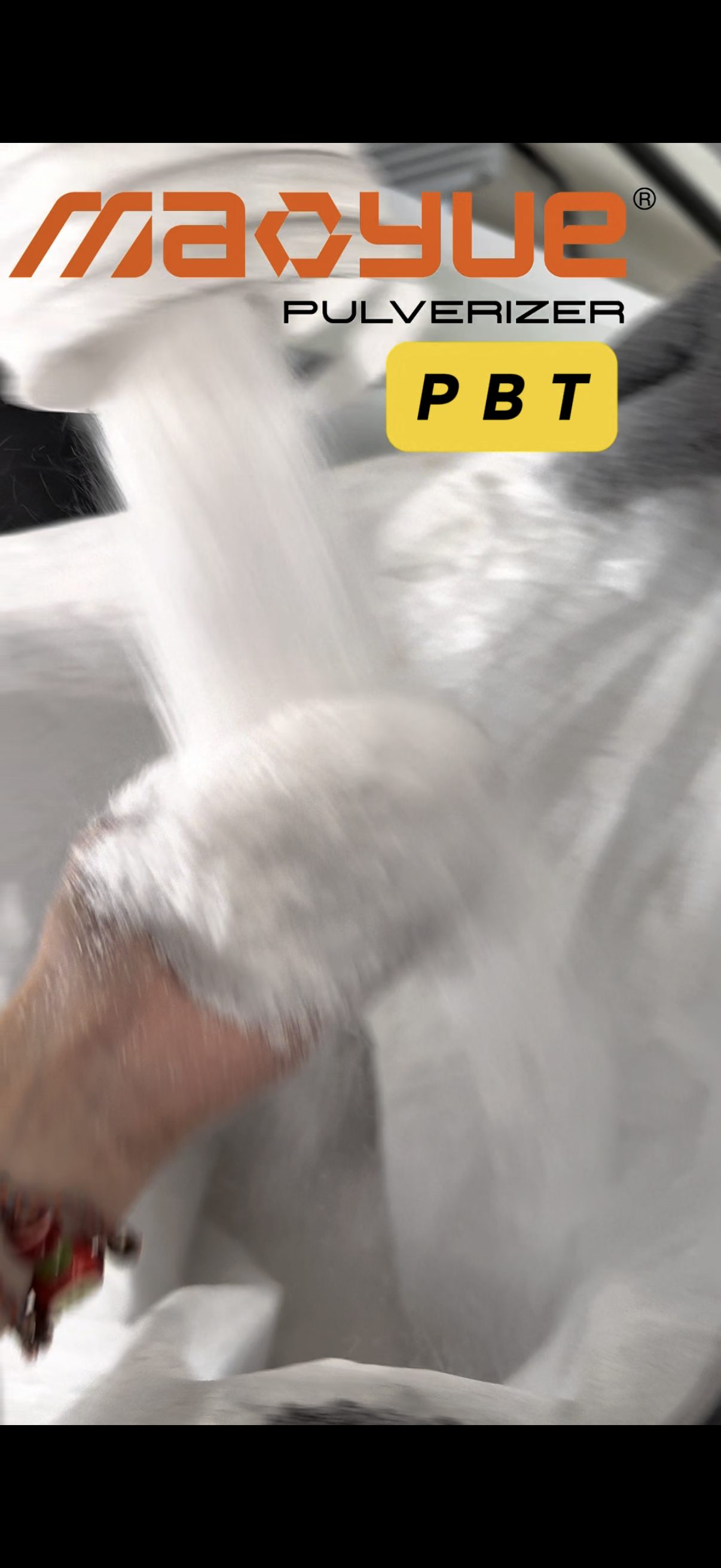
Mao Yue evaluates equipment selection based on the customer's material characteristics, feed size, target particle size, and production capacity requirements.
For projects requiring further verification, Mao Yue can conduct pulverizing tests using customer-supplied materials and record particle size distribution, processing temperature, and production performance under agreed testing conditions.
These test results provide a basis for comparing equipment solutions and help reduce the risk of purchasing machinery based solely on model specifications or rated capacity.
Mao Yue manufactures grinding discs, grinding segments, and blades in-house. For compatible equipment, the company can supply solid grinding discs, segmented grinding components, and related wear parts.

Selected components can be manufactured from DC53 tool steel according to technical requirements, using appropriate precision machining and heat treatment processes.
With in-house manufacturing capabilities, Mao Yue can directly confirm the materials, structures, and mounting specifications of core grinding components and recommend spare parts based on the equipment configuration. This helps customers evaluate future regrinding, replacement, and maintenance requirements.
For complete pulverizing line projects, Mao Yue can provide equipment supply solutions covering the pulverizer main unit and supporting feeding, screening, cyclone collection, and dust removal systems. Standard configurations, optional equipment, and spare parts can be listed separately in the quotation.
This allows customers to verify the actual scope of purchase, compare configuration differences between solutions, and plan spare parts and maintenance budgets in advance.
It depends on the supplier's scope of supply. Buyers should check whether conveying, screening, powder collection, and dust removal systems are included in the quotation.
Some pulverizers can process multiple plastic materials, depending on their characteristics, grinding structures, and target powder requirements.
If the machine will be used for PE, PP, PA, or other materials, buyers should confirm equipment compatibility, cleaning requirements during material changeovers, and necessary operating parameter adjustments.
This depends on the agreed scope of supply.
Grinding components required for normal machine operation are generally included in the main unit configuration. However, additional spare grinding discs, blades, or screens may need to be purchased separately.
Not necessarily. Different quotations may include different equipment configurations, performance conditions, and service packages.
Buyers should evaluate actual material testing results, qualified powder output, operating costs, and maintenance requirements rather than comparing initial purchase prices alone.
Looking for a plastic pulverizer suitable for PE, PP, PVC, or PA materials?
Mao Yue can evaluate your processing requirements and provide equipment selection recommendations, core grinding component configurations, and a detailed quotation with a clearly defined scope of supply. For projects requiring further verification, actual material testing arrangements can also be discussed.
Please refer to the quotation request checklist above and share your production requirements with us.
Contact Mao Yue today to request a plastic pulverizer quotation and equipment configuration recommendations.


