Specializing in the production of Plastic Pulverizer Machines.

Views: 0 Author: Site Editor Publish Time: 2026-10-19 Origin: Site
Color masterbatch powder agglomeration and material sticking during pulverizing can affect powder consistency, material conveying, and continuous production. During grinding, material may stick to the grinding discs, accumulate inside the grinding chamber, or form lumps after discharge.
These problems may be related to polymer carrier properties, formulation differences, frictional heat, unstable feeding, insufficient cooling, or changes in grinding disc condition.
To reduce agglomeration, it is important to identify where sticking occurs, investigate the potential contributing factors, and verify whether adjustments improve powder quality and production stability through actual material testing.
Color masterbatch formulations vary, so agglomeration should be investigated based on the actual material rather than assuming that all formulations behave the same way during pulverizing.
Mechanical pulverizing generates heat through friction between the material and the grinding surfaces. When the temperature approaches the softening or tackiness range of a particular formulation, some polymer carriers may become sticky and more difficult to break down effectively.
The softened material may adhere to the grinding discs or chamber surfaces. Fine powder can then accumulate on these deposits, gradually forming larger lumps.
Different polymer carriers respond differently to temperature and mechanical forces. Pigments, fillers, waxes, lubricants, and other additives may also influence pulverizing performance.
Therefore, grinding conditions suitable for one color masterbatch formulation may not be appropriate for another. Actual material testing is needed to determine suitable operating conditions.
Excessive feeding may increase the material load and heat generation, while fluctuating feed rates can make the grinding process unstable.
If material enters the grinding chamber faster than it can be processed and discharged, accumulation may occur. These deposits can collect additional powder and increase the risk of agglomeration.
If cooling airflow is insufficient, cooling passages are blocked, or the cooling system cannot meet the actual production load, heat may accumulate during continuous operation.
Powder that performs well during a short machine trial may still develop sticking problems during extended production. Temperature changes during continuous operation therefore provide more useful information than observations made only during startup.
Grinding disc wear, uneven working surfaces, or unsuitable disc gap settings may change grinding efficiency and frictional conditions. Depending on the material properties and operating parameters, these changes may affect temperature, output, and particle size distribution.
The grinding disc condition should therefore be evaluated together with feeding and cooling performance to determine whether mechanical changes are affecting production.
An effective approach is to match the material properties with suitable grinding conditions and cooling capacity, then verify the results through targeted testing.
Begin by testing the material intended for production. Record the polymer carrier, available formulation information, feed size, target fineness, and required output.
During testing, observe where sticking occurs and compare the resulting powder with the target particle size distribution. This helps determine whether the main issue is related to material properties, heat accumulation, feeding conditions, or grinding performance.
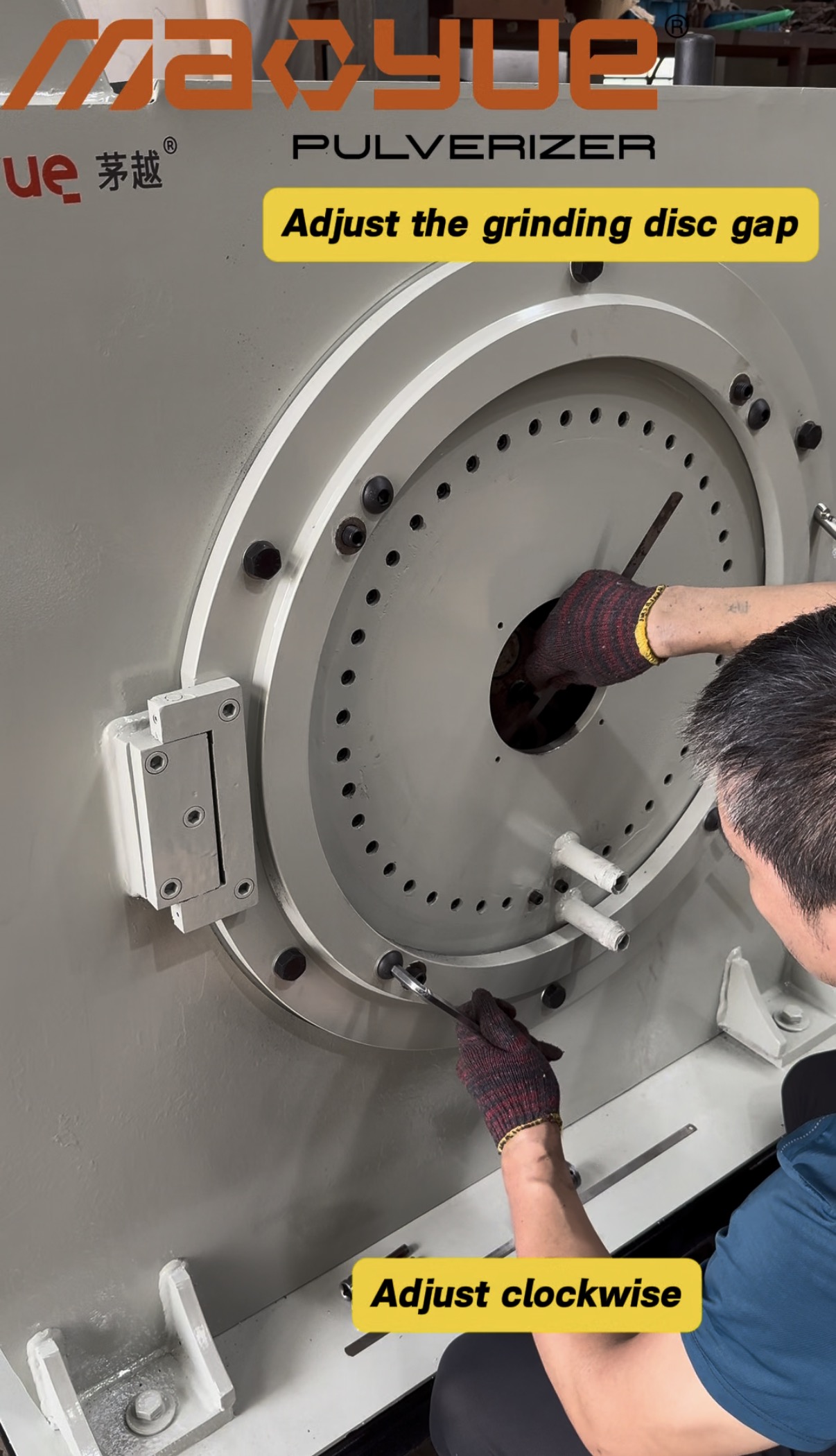
Check the grinding disc gap, feed rate, adjustable rotational speed where applicable, and target fineness.
If the material becomes sticky, do not automatically reduce the disc gap or increase grinding intensity. Under certain conditions, these adjustments may increase friction and temperature.
Adjust one major parameter at a time and compare the results before and after each change. The objective is to achieve the required fineness while avoiding unnecessary heat generation and material accumulation.
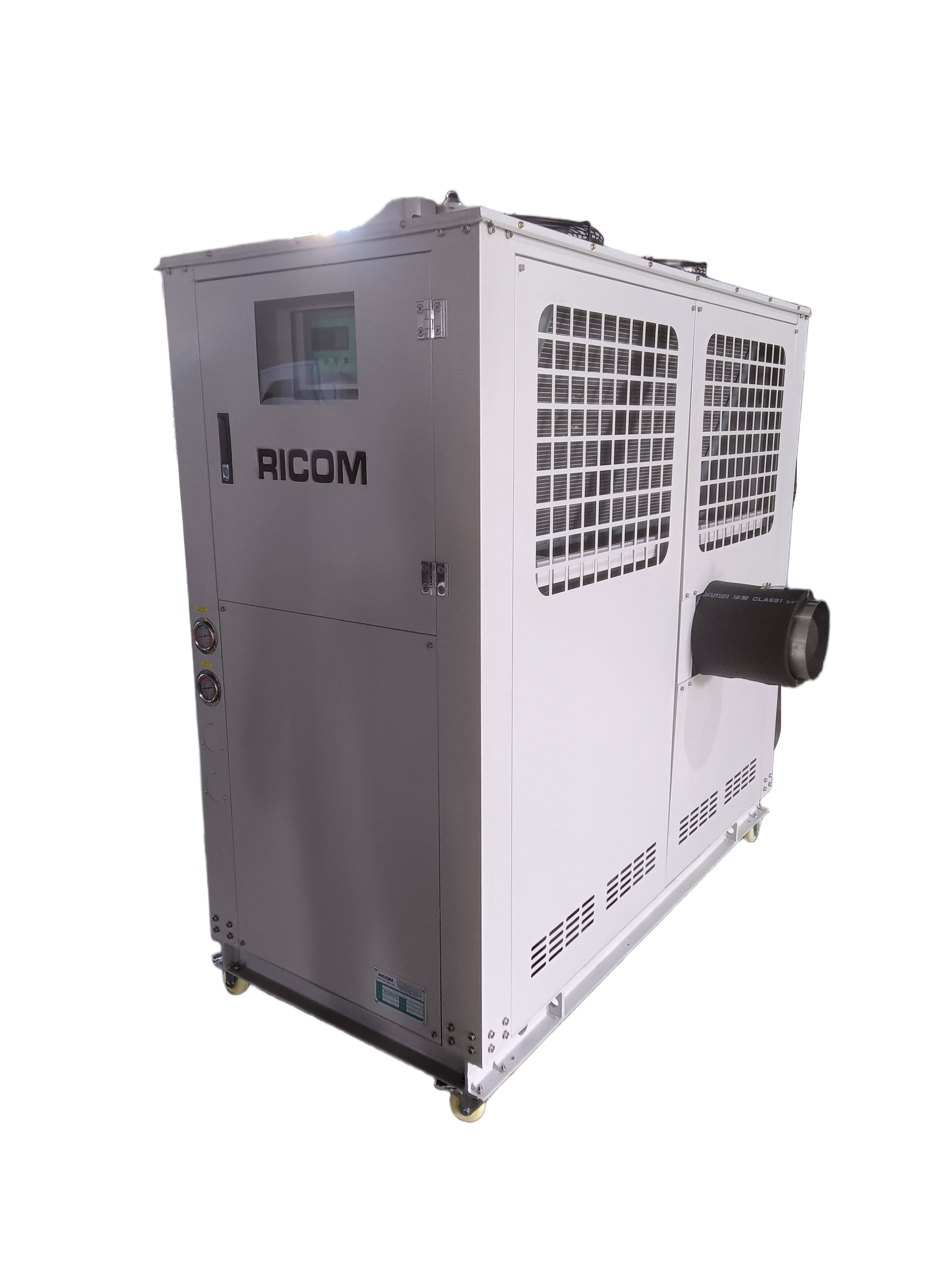
Monitor temperature changes during startup and extended operation. If sticking becomes more severe as operating time increases, compare the temperature trend with the location and extent of material deposits.
Also check cooling airflow, water circulation where applicable, and the condition of cooling passages. Depending on the material, machine configuration, and production load, air cooling or combined air-and-water cooling can help remove heat generated during pulverizing.
However, increasing cooling capacity does not automatically eliminate agglomeration. The suitability of the cooling configuration must still be verified under actual material and operating conditions.

Keep feeding stable and confirm that the conveying, screening, and collection systems can handle the actual production output.
Inspect the feed and discharge passages, screening equipment, and dust collection components for blockages or material accumulation.
If the grinding chamber remains relatively clean but lumps appear after discharge, investigate downstream conveying, screening, collection, and material handling conditions rather than assuming that the problem originates solely inside the grinding chamber.
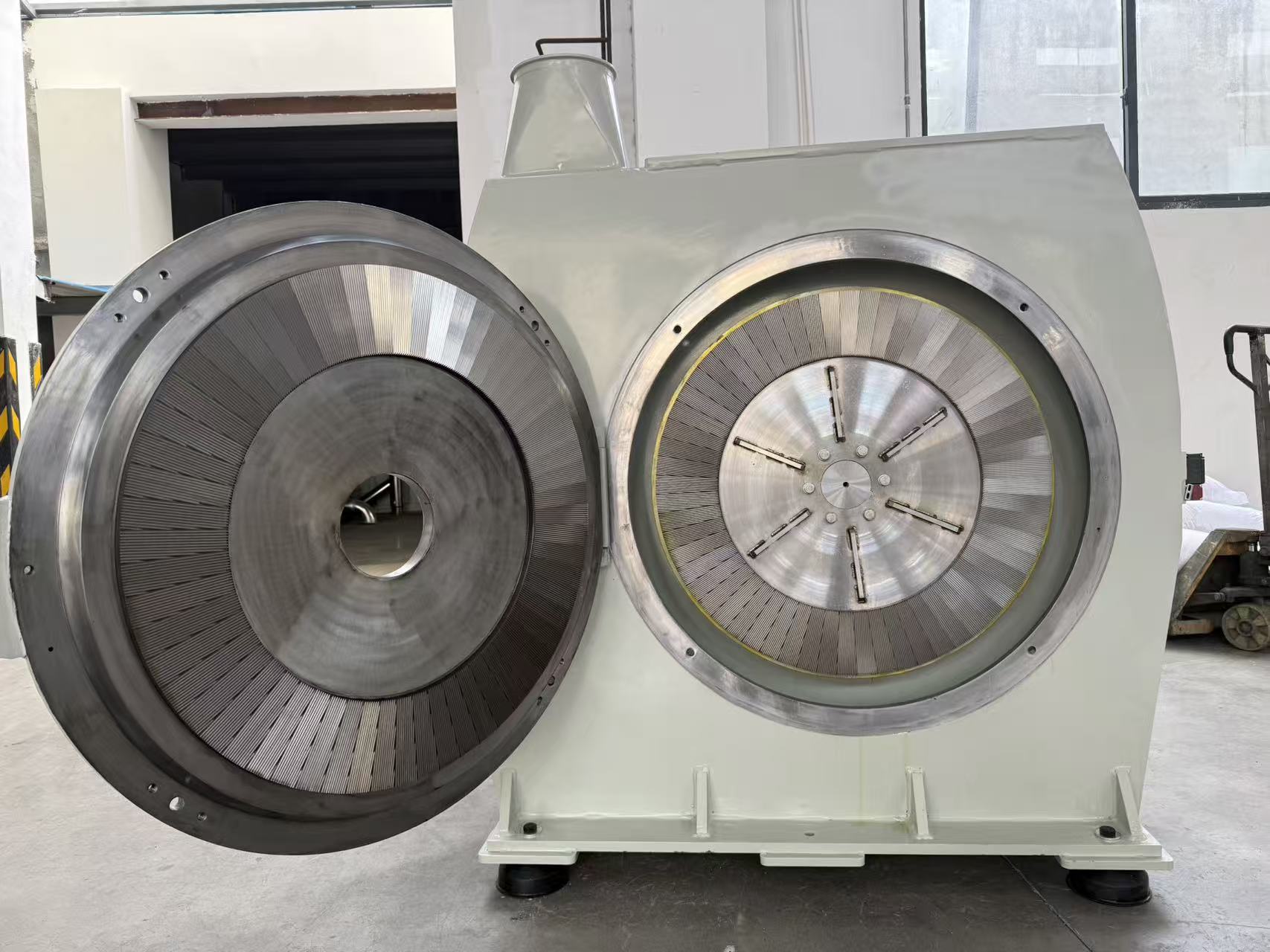
Check grinding disc wear, working surface uniformity, and any changes in the disc gap. After each adjustment, compare operating results under consistent conditions whenever possible.
Focus on the following indicators:
Powder temperature at consistent sampling points
Material sticking and deposit locations
Particle size distribution and the proportion of oversized particles
Actual output during continuous production
Powder discharge and conveying stability
An effective adjustment should reduce sticking or agglomeration while meeting the required fineness and output targets. Continuous production testing over an appropriate period is also necessary to confirm that the improvement can be maintained.
Observed Problem | Priority Checks | How to Verify |
|---|---|---|
Material sticks to the grinding discs shortly after startup | Material tackiness, disc condition, and initial operating conditions | Compare sticking under comparable operating conditions |
Sticking becomes more severe during continuous operation | Temperature changes, cooling capacity, and deposit locations | Compare startup conditions with stable operating conditions |
Agglomeration occurs after increasing the feed rate | Feed stability and material load | Stabilize feeding and compare output and sticking |
Lumps appear only after discharge | Conveying, screening, collection, and material handling | Compare samples from inside the grinding chamber with collected powder |
These observations are troubleshooting clues rather than definitive diagnoses. Multiple factors may contribute to the same problem, so targeted testing is necessary to identify the actual causes.
Color masterbatch powder agglomeration may result from differences in polymer carriers, formulations, and production conditions. Through actual material testing, equipment configuration matching, and in-house manufacturing of key working components, Mao Yue helps customers evaluate machine suitability before purchasing and make more informed equipment selection decisions.
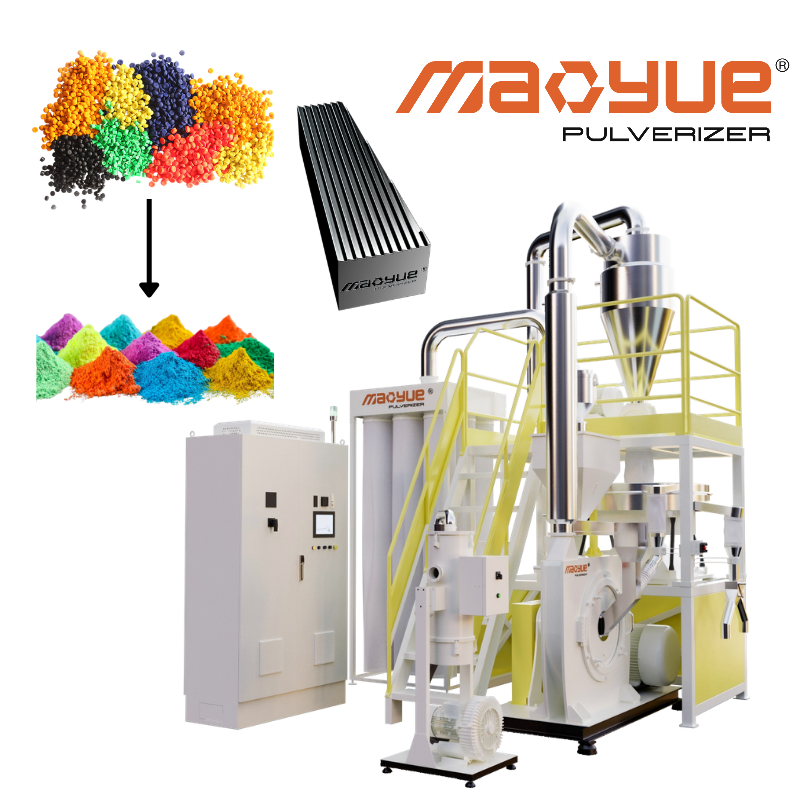
Different color masterbatch formulations may exhibit different temperature rises, sticking tendencies, and powder characteristics during pulverizing. Machine specifications alone cannot accurately predict actual production performance.
Mao Yue supports material trials using customers' actual color masterbatch materials. Based on the target fineness and output requirements, the tests evaluate powder condition, output, temperature changes, and observable sticking under the agreed test conditions.
These tests help customers assess machine suitability for their specific materials before purchasing and provide a more practical basis for equipment selection than relying on general specifications alone.
Equipment selection requires more than considering target fineness and output. Material properties, feeding conditions, cooling requirements, and downstream collection systems must also be evaluated.
Based on material test results and production requirements, Mao Yue assesses suitable grinding disc configurations, feeding methods, cooling solutions, and material collection systems. Depending on the application, air cooling or combined air-and-water cooling may be considered, with suitability evaluated against actual operating performance.
This material- and process-based approach helps customers understand how different configurations may affect powder quality, production capacity, and operating stability before purchasing, reducing the uncertainty of selecting equipment based solely on theoretical capacity or standard configurations.
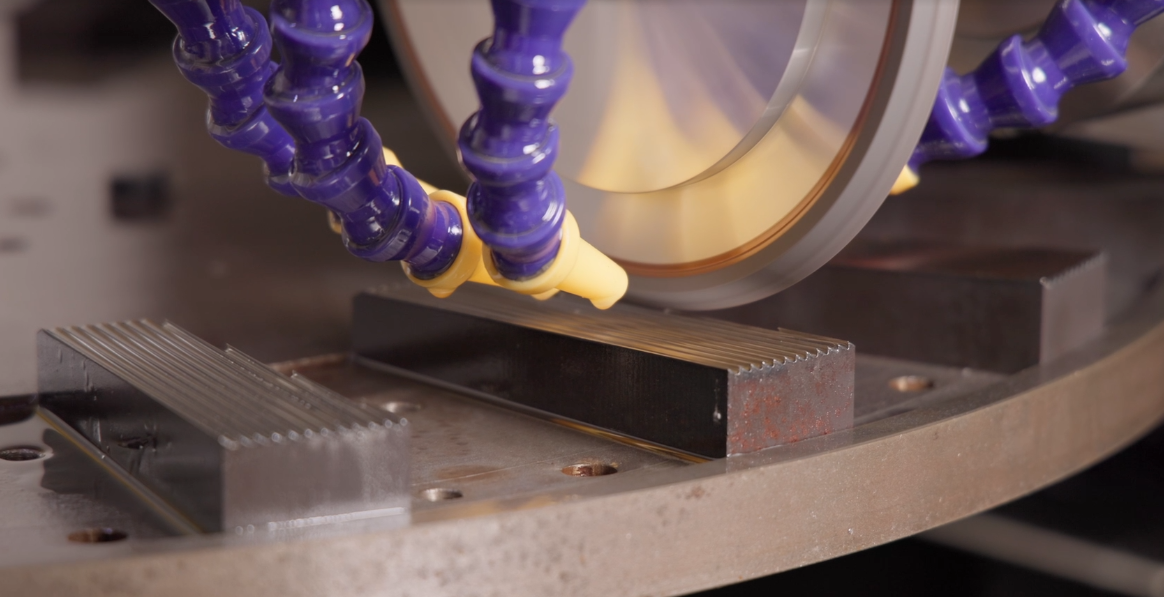
Grinding discs and blades are critical working components of disc-type plastic pulverizers. Their working geometry, surface condition, and wear may affect grinding performance, output, and particle size distribution.
Mao Yue manufactures its own grinding discs and blades, maintaining control over key component design, manufacturing processes, and inspection. This helps manage manufacturing consistency and makes grinding disc condition an important factor to examine when production performance changes.
When particle size variations, output fluctuations, or increased sticking occur, material properties, operating parameters, and key component condition can be evaluated together to determine whether grinding disc wear or changes in working condition are contributing factors, rather than automatically attributing all agglomeration problems to the machine or temperature.
For customers requiring long-term continuous production, this control over key component manufacturing and inspection provides a more reliable basis for equipment maintenance, production condition assessment, and subsequent process adjustments.
Color masterbatch powder agglomeration may involve multiple factors, including material properties, grinding conditions, and equipment configuration. A suitable solution should be based on the actual material and production requirements.
Contact Mao Yue with your color masterbatch type, feed size, target fineness, expected output, and current agglomeration issues to arrange an actual material trial. Under agreed test conditions, Mao Yue can evaluate powder fineness, output, temperature changes, and observable sticking to support equipment selection and configuration matching.


