English


Views: 0 Author: Site Editor Publish Time: 2026-10-23 Origin: Site
When the same masterbatch pulverizer is used to process materials of different colors, residual powder from the previous production batch may mix with the next batch, causing color cross-contamination.
This problem is particularly noticeable when switching from dark-colored materials, such as black masterbatch, to white or light-colored materials. Even small amounts of residual pigment may affect color consistency, increase the amount of off-specification powder, and extend production changeover time.
However, color cross-contamination does not occur only inside the grinding chamber. Residual powder may also remain in the feeding, conveying, screening, and collection systems. Therefore, reducing color contamination requires controlling material residues throughout the entire processing path and verifying cleaning effectiveness through appropriate testing.
This article explains the main causes of color cross-contamination during masterbatch pulverizing, key areas to inspect, practical color changeover methods, and how Maoyue helps customers evaluate pulverizing solutions for multi-color production through actual material testing and equipment configuration assessment.
Color cross-contamination is commonly associated with residual material inside the equipment, material adhesion, and incomplete cleaning during color changeovers.
Even after the previous batch has been discharged, some powder may remain inside the system and re-enter the material flow during the next production run.
There are three main causes.
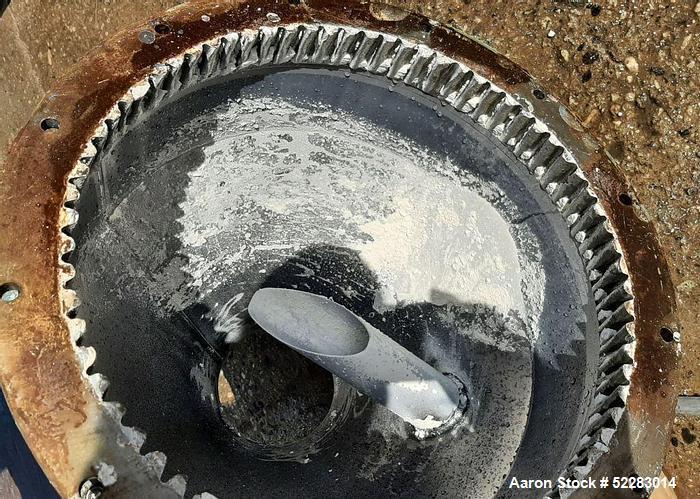
During pulverizing, some powder may accumulate around equipment connections, material flow dead zones, and other areas that are difficult to empty completely.
These residues may not be fully removed through normal discharge. When the next batch enters the system, airflow, vibration, and material movement may release the remaining powder back into the production process, causing color cross-contamination.
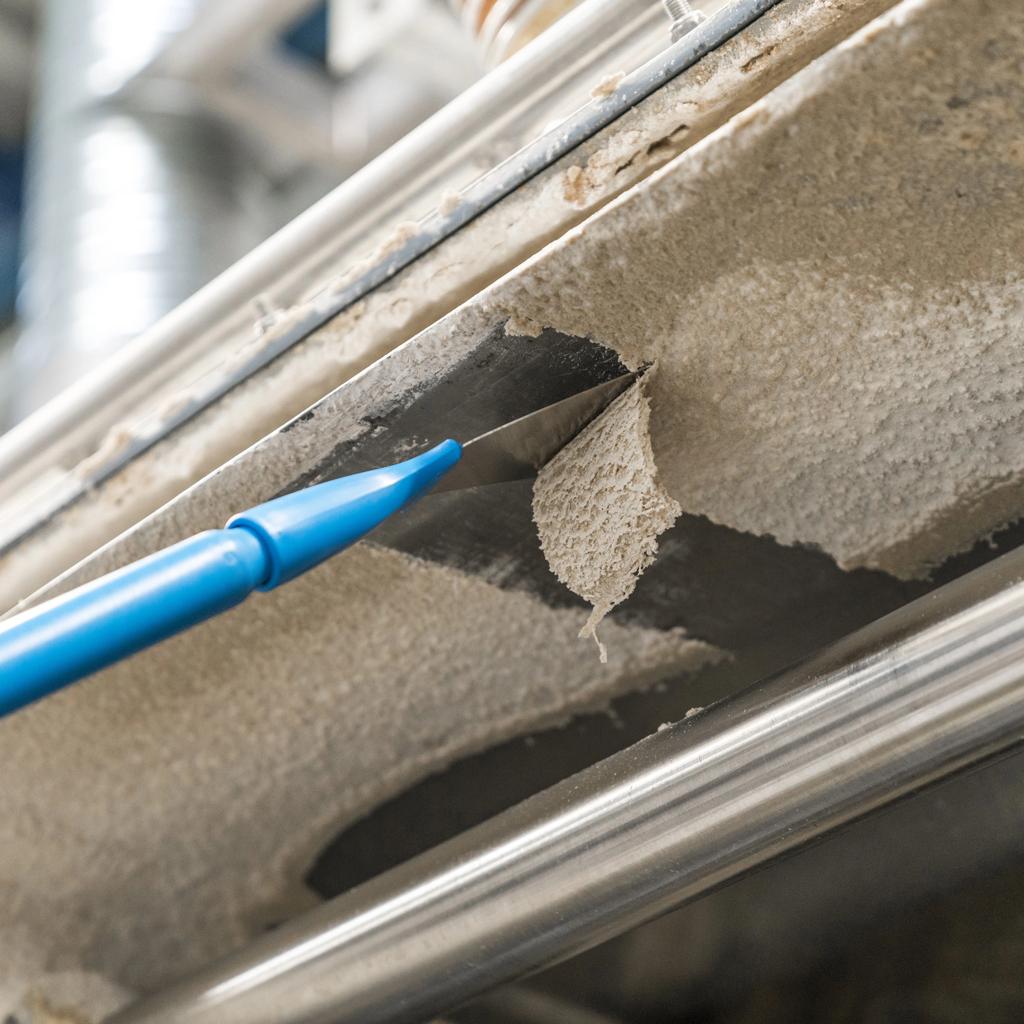
Different masterbatch formulations contain polymer carriers, pigments, fillers, and additives that influence their behavior during pulverizing.
For certain temperature-sensitive formulations, frictional heat may cause the polymer carrier to soften or become tacky, allowing material to adhere to the grinding discs and chamber surfaces.
Compared with loose powder, these adhered residues are generally more difficult to remove.
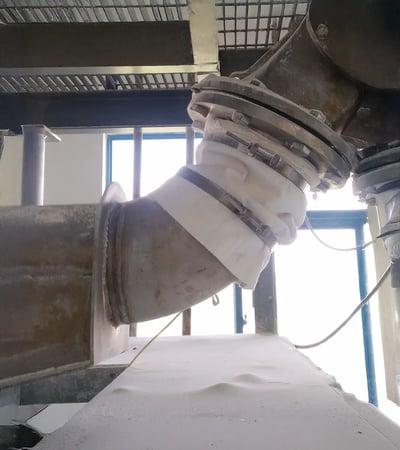
Even after the grinding chamber has been cleaned, powder from the previous batch may remain in conveying pipes, cyclone separators, screens, and powder collection components.
If these areas are overlooked during cleaning, residual powder may enter the next production batch and cause contamination.
Before switching colors, potential material accumulation points should be inspected along the entire processing path, from feeding to final powder collection.
Equipment Area |
Key Inspection Points |
Recommended Action |
|---|---|---|
Feeding system |
Residual pellets in hopper bottoms and feeding devices |
Empty and clean material-contact surfaces |
Grinding chamber |
Areas around grinding discs, chamber walls, and connections |
Remove residues according to cleaning procedures |
Discharge pipes |
Bends, joints, and local powder accumulation points |
Inspect and clean areas where powder accumulates |
Cyclone separator |
Inner walls, conical section, and discharge outlet |
Remove adhered powder |
Screening system |
Screens, screen frames, and connection points |
Clean or replace components as required |
Powder collection system |
Collection containers and filter components |
Clean or use dedicated components |
Inspection should not focus only on visible residues. Particular attention should also be paid to areas where powder may remain trapped and be released during the next production batch.
Reducing color cross-contamination requires a combination of production scheduling, complete system cleaning, equipment maintenance, and appropriate component configuration rather than relying on a single measure.
Where production conditions allow, processing materials from lighter to darker colors can generally reduce the risk of visible color differences caused by residual pigments.
For example, switching from white to black masterbatch is usually less likely to produce noticeable color contamination than switching from black to white.
However, production sequencing should also consider polymer carrier compatibility, additives, and product quality requirements rather than relying solely on color intensity.
Recommended Approach: Group materials with compatible formulations and similar contamination sensitivity into production sequences. Apply stricter cleaning and verification procedures for high-risk changeovers, particularly when switching from dark to light colors.
Color changeover cleaning should cover all material-contact areas, from feeding to final powder collection.
Before cleaning, the equipment should be shut down according to established procedures, with appropriate energy isolation measures implemented. Operations requiring the grinding chamber to be opened or components to be removed should be performed by trained personnel following equipment maintenance requirements.
Cleaning methods should be selected according to equipment structure and powder characteristics. Uncontrolled use of compressed air should be avoided to prevent fine powder from becoming airborne.
Where plastic powders may create a combustible dust atmosphere, cleaning equipment and procedures must comply with applicable safety requirements.
Recommended Approach: Establish a color changeover cleaning checklist covering the entire material flow path. Define the cleaning method and inspection requirements for each area rather than judging cleaning effectiveness solely by the visible condition of the grinding chamber.

The surface condition, geometry, and operating gap of grinding discs may influence material movement and localized accumulation inside the grinding chamber.
Abnormal disc wear, surface damage, or significant material adhesion may make certain areas more difficult to clean.
However, grinding disc wear is not necessarily a direct cause of color cross-contamination. Its relevance should be evaluated based on actual residue locations and operating conditions.
Recommended Approach: During equipment maintenance, inspect grinding disc surfaces, edges, and related components for abnormal adhesion, damage, or localized material buildup. Use the findings to determine whether operating conditions should be adjusted or components require maintenance.
For production lines that frequently process masterbatch materials of different colors, certain shared components may become recurring sources of residual contamination.
Depending on the equipment structure, dedicated powder collection containers, screens, flexible conveying hoses, or cleaning tools may be considered.
Where products have particularly strict cross-contamination requirements, the need for separate production lines may also be evaluated.
Recommended Approach: Compare color changeover frequency, cleaning time, transitional powder losses, dedicated component costs, and product acceptance requirements to determine the most suitable configuration for actual production.
Completing equipment cleaning does not automatically mean that the powder from the next batch meets product quality requirements.
For multi-color masterbatch production, controlled trial operation, staged sampling, and product testing are recommended to verify whether residual contamination has been reduced to an acceptable level.
Complete material discharge, equipment shutdown, cleaning, and residual material inspection according to established procedures.
Before restarting, confirm that all removed components have been correctly reinstalled and that the equipment meets safe startup requirements.
Feed the next color of masterbatch into the pulverizer and collect the initial transitional powder separately from normal production material.
Transitional powder that has not passed the required quality inspections should not be mixed directly with accepted products.
Collect powder samples at predetermined production quantities or time intervals to check for foreign-colored particles, color changes, and relevant formulation quality indicators.
Verification Objective |
Testing Method |
Acceptance Criteria |
|---|---|---|
Identify visible foreign-colored particles |
Visual inspection |
Agreed appearance acceptance standards |
Verify powder color consistency |
Standardized color measurement |
Customer-approved color difference limits |
Determine when acceptable powder quality is achieved |
Comparison of staged samples |
Established product release requirements |
Identify cross-contamination between formulations |
Composition or performance testing when necessary |
Product specifications and applicable test methods |
For products with strict color requirements, an appropriate CIELAB color difference measurement method may be used. Sample preparation and measurement conditions should be standardized.
Passing a color test does not necessarily mean that cross-contamination involving polymer carriers, fillers, or additives has been eliminated. Products with formulation purity requirements should undergo additional verification as appropriate.
Test Result |
Recommended Action |
|---|---|
Visible foreign-colored particles remain |
Isolate the powder and inspect potential residue locations |
Foreign-colored particles decrease, but color remains outside specifications |
Continue isolating powder and repeat cleaning if necessary |
Color meets requirements, but formulation purity does not |
Investigate cross-contamination involving other components |
All specified product release requirements are satisfied |
Resume normal product collection |
Specific release criteria, sampling quantities, and testing frequency should be determined according to customer product requirements.
For production lines with frequent color changeovers, cleaning time, transitional powder quantities, testing results, and locations requiring repeated cleaning should be recorded.
Comparing these records across different production batches can help determine whether the color changeover procedure has improved.
When switching from black to white masterbatch, different contamination patterns may indicate different sources of residual material.
Observation After Color Changeover |
Initial Investigation |
|---|---|
Black particles appear during startup and gradually decrease |
Loose residues from the previous batch may be gradually discharged |
Black particles continue to appear intermittently during operation |
Localized material accumulation may be releasing residues repeatedly |
No visible black particles, but the overall color differs from the standard |
Investigate fine pigment residues, raw material differences, and testing conditions |
For example, if black particles continue to appear intermittently after an extended period of operation, areas where material is difficult to discharge should be inspected rather than simply extending transitional production time.
Comparing contamination patterns at different stages can help narrow down potential causes and identify more targeted cleaning or maintenance measures.
For masterbatch manufacturers that frequently switch between different colors, pulverizer selection should consider more than production capacity and powder particle size. Material adhesion, residual contamination risks, cleaning accessibility, and transitional powder losses are also important factors.
With over 30 years of experience in plastic pulverizer research, development, and manufacturing, Mao Yue helps customers evaluate pulverizing solutions for multi-color production through actual material testing, in-house manufacturing of grinding discs and blades, and complete pulverizing system configuration assessment.

Polymer carriers, pigments, and additives in different masterbatch formulations may affect material adhesion and accumulation during pulverizing.
Mao Yue conducts trial runs using customer-supplied masterbatch materials, observing processing temperature changes, adhesion to grinding disc surfaces, and residual material inside the grinding chamber.
These observations help identify material characteristics and operating conditions that may increase cleaning difficulty during color changeovers.
For customers with frequent color changeover requirements, the feasibility of color changeover trials can also be discussed based on specific needs. Such trials may be used to observe residual material after cleaning and contamination patterns during the subsequent color production run.
Customer Value: Understand actual material processing behavior and potential residue risks before equipment selection, reducing the uncertainty of evaluating color changeover suitability based solely on machine specifications.
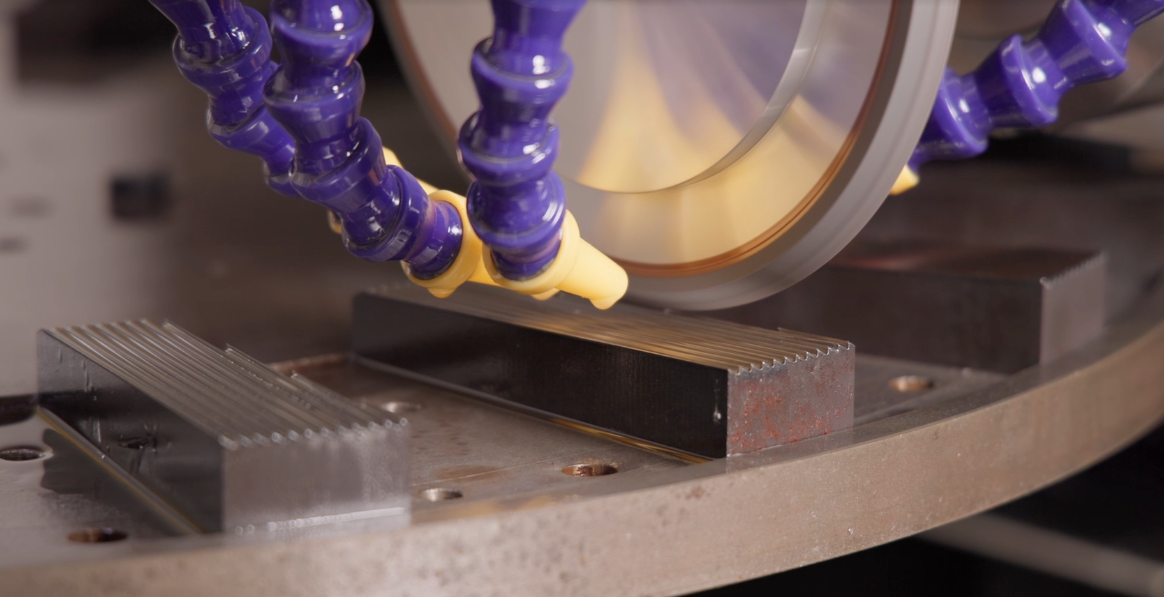
Grinding disc surface condition, localized wear, and material adhesion may influence powder accumulation and cleaning difficulty.
Mao Yue manufactures grinding discs and blades in-house, allowing direct control over core component geometry, machining consistency, and quality inspection.
When customers experience recurring material adhesion or localized accumulation around grinding discs, Mao Yue can evaluate component structure, wear condition, and actual operating parameters to determine whether the problem is related to core components.
Based on the findings, the technical team can assess whether maintenance, operating adjustments, or further component matching evaluation is necessary.
Customer Value: Access technical support backed by in-house component manufacturing and inspection capabilities, reducing the risk of unnecessary component replacement before the underlying cause has been identified.
Color cross-contamination may originate outside the grinding chamber. Therefore, equipment selection should also consider potential residues in conveying, screening, and powder collection systems.
Mao Yue can evaluate equipment configuration options based on actual material test results, color changeover frequency, and product acceptance requirements.
Test Results or Production Observations |
Equipment Configuration Considerations |
|---|---|
Significant material adhesion during pulverizing |
Evaluate operating parameters and cooling configuration |
Repeated localized accumulation inside the grinding chamber |
Inspect core component condition and cleaning accessibility |
Excessive residues in conveying or collection systems |
Evaluate pipe layout, discharge methods, and collection configuration |
Frequent switching between different colors |
Evaluate dedicated screens, collection containers, and other components |
Strict product cross-contamination limits |
Evaluate dedicated components or separate production lines |
Customer Value: Combine actual material testing with production requirements to provide a more targeted basis for equipment selection, residual contamination control, transitional powder loss reduction, and improved color changeover management.
Actual improvements should still be verified through color changeover trials and production records.
For shared pulverizing systems, zero cross-contamination should not be assumed without appropriate verification. Actual residual contamination levels depend on material characteristics, cleaning procedures, and equipment configuration.
Not necessarily. Residual powder may also remain in feeding, conveying, screening, and collection components. The entire material flow path should be inspected.
Greater attention to cleaning is generally necessary because dark-colored residues are more easily detected in white or light-colored powder. However, specific cleaning requirements should be determined by product quality standards.
Powder waste may be reduced by optimizing production sequences, cleaning areas prone to material accumulation, separating transitional powder, and establishing clear product release criteria.
Actual improvements should be verified through color changeover records and testing data.
Reducing color cross-contamination during masterbatch pulverizing requires controlling residual material throughout the complete pulverizing system and verifying cleaning effectiveness through staged sampling and product testing.
For production lines with frequent color changeovers, equipment selection should also consider cleaning accessibility, changeover frequency, transitional powder losses, and product acceptance requirements.
Looking for a Masterbatch Pulverizer Suitable for Multi-Color Production?
Contact Mao Yue with your masterbatch material information, target particle size, production capacity requirements, color changeover frequency, and current contamination challenges.
Our technical team can help evaluate suitable pulverizing equipment configurations and discuss actual material testing options for your production needs.


