Specializing in the production of Plastic Pulverizer Machines.

Views: 0 Author: Site Editor Publish Time: 2026-07-15 Origin: Site
Is your Plastic Pulverizer Machine costing you more than it earns? Unexpected downtime can cripple your production line.
Proper maintenance is the secret to success. It extends equipment life by up to five years. You can also slash failure rates by over 60%.
In this post, you will learn how to master your machine. We cover blades, discs, cooling, and dust collection. Follow these steps to maximize your output today.
Operating a Plastic Pulverizer under high-intensity conditions is demanding work. Without a strict maintenance routine, your equipment will eventually struggle to keep up with production targets. High-intensity grinding creates significant friction, which leads to rapid component wear and thermal degradation. If you ignore these early warning signs, you will notice a sharp decline in output quality and efficiency. A neglected machine often produces inconsistent particle sizes, forcing you to re-process materials and wasting valuable time.
Maintenance Neglect Symptom | Direct Operational Impact |
Dull grinding blades | Increased energy consumption and overheating |
Clogged cooling channels | Material melting and chamber blockage |
Misaligned disc gap | Inconsistent mesh size and powder quality |
Worn motor bearings | Excessive vibration and potential motor failure |
Investing time in routine checks pays off quickly by boosting your bottom line. When you maintain your Plastic Pulverizer properly, you ensure the motor runs at peak efficiency, which lowers your monthly electricity bills. Consistent maintenance also guarantees that the output powder meets specific mesh requirements every single time. This reliability helps you avoid the costs of rejected batches or customer complaints. We see that factories prioritizing these simple checks often see their equipment last years longer than those that skip them.
Before you touch any part of the machine, safety must be your top priority. You should always follow these core protocols to protect yourself and your team from preventable accidents:
● Always disconnect the main power supply before opening the cabin door or inspecting internal components. This prevents accidental startups that could cause severe injury.
● Wear appropriate personal protective equipment, such as heavy-duty gloves and safety goggles, to shield yourself from sharp metal edges or flying plastic debris.
● Ensure the grinding chamber has cooled down completely after a shift before you begin any deep cleaning or blade adjustments.
● Verify that all safety guards and warning labels are in place and clearly visible to all operators on the floor.
Consistent care is the foundation of a reliable production line. When you treat your equipment with respect, it rewards you with steady performance. Manufacturers like Changzhou Maoyue have spent decades refining their designs, but even the most advanced Plastic Pulverizer requires a human touch to stay in top shape. By building these habits into your daily workflow, you transform a potentially problematic machine into a dependable asset. Taking these small steps today prevents major headaches tomorrow, keeping your operations smooth and your team safe.
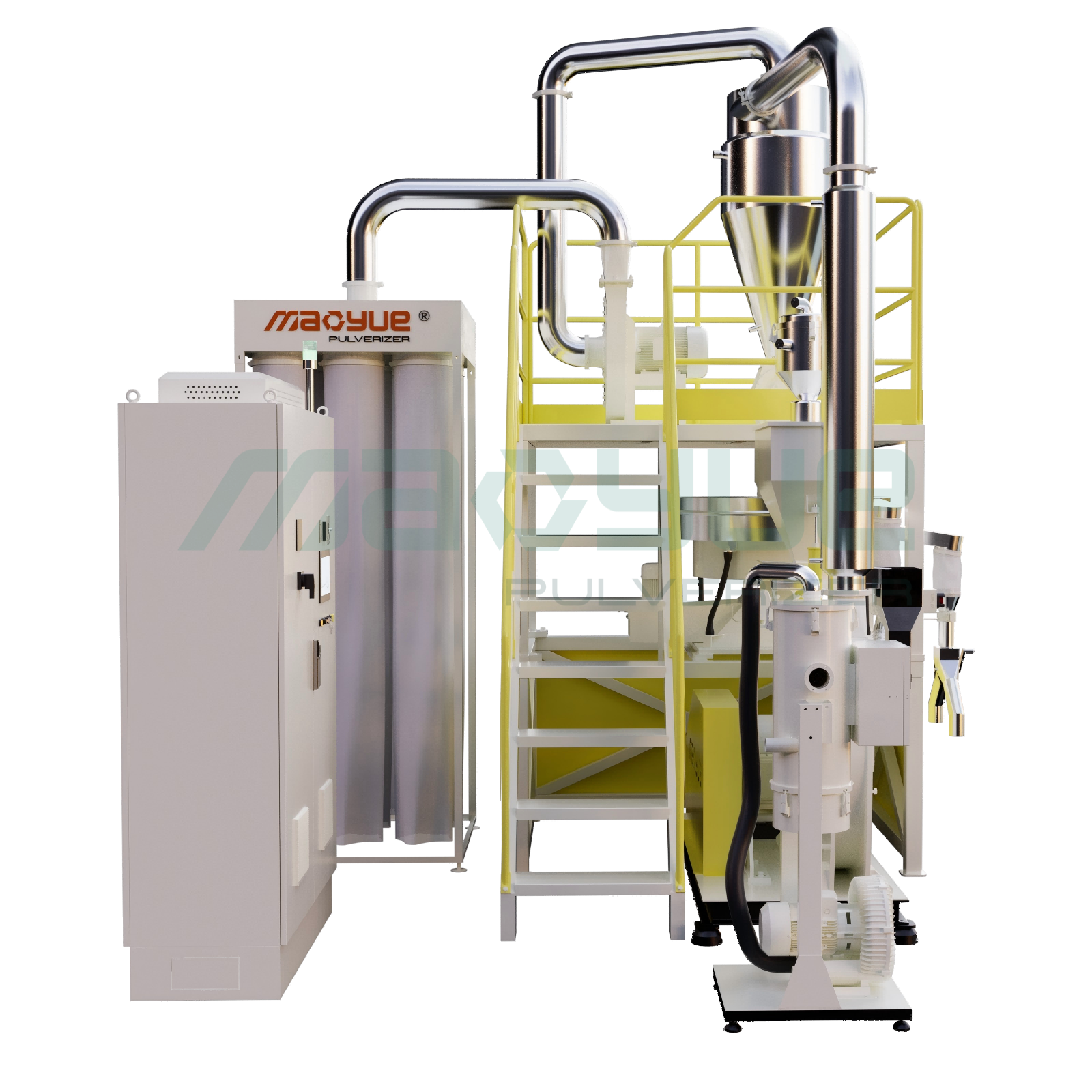
Your Plastic Pulverizer Machine relies on its cutting components to deliver consistent results. If you ignore the condition of these parts, you will quickly notice a drop in output quality. Daily inspections are the best way to catch issues before they turn into expensive repairs. Before every shift, take a few minutes to open the cabin door and look for signs of trouble. Check for hairline cracks, loose mounting bolts, or uneven wear patterns on the teeth. If you spot any of these problems, address them immediately to prevent further damage to the rotor assembly.
Inspection Item | What to Look For | Recommended Action |
Mounting Bolts | Any signs of looseness or vibration | Tighten to specified torque |
Cutting Teeth | Chipping, cracks, or dull edges | Sharpen or replace immediately |
Disc Surface | Uneven wear or deep scoring | Inspect for rotor imbalance |
Blade Clearance | Gap deviation beyond 0.3mm | Adjust fixed knife position |
Precision is everything when grinding plastic materials. You must maintain a strict gap between the fixed and rotating knives, ideally between 0.1mm and 0.3mm. This narrow clearance ensures the material is cut cleanly rather than torn or shredded during the process. If the gap becomes too wide, your Plastic Pulverizer Machine will struggle to produce uniform powder, leading to higher energy use. Regularly use a feeler gauge to verify this distance, as even a tiny shift can impact your final product mesh size significantly.
Knowing when to sharpen or replace your blades saves you a lot of frustration. Most high-quality blades require sharpening every 200 to 300 hours of operation. If you wait too long, the cutting edge becomes rounded and loses its ability to slice through tough polymers effectively. Once the blades are worn beyond the point of repair, replace them entirely to restore your machine to its original performance levels. Keeping a few spare sets on hand ensures you never have to stop production for long when a blade finally reaches its limit.
Modern engineering has made this process much simpler than it used to be. For instance, equipment from manufacturers like Changzhou Maoyue utilizes modular designs for grinding discs and blades. This smart approach allows for quick removal and replacement, significantly minimizing downtime during these critical maintenance intervals. You no longer need to spend hours struggling with complex assemblies just to swap out a worn part. By choosing machines with these user-friendly features, you keep your team focused on production instead of constant mechanical troubleshooting.
Always treat your blades with care during the cleaning process. After each shift, use a wire brush or compressed air to remove plastic residue trapped in the grinding chamber. Never use harsh chemicals that could corrode the high-wear-resistant alloys used in modern blades. If you keep the chamber clean and the blades sharp, your machine will run smoothly for years. It is a simple habit, but it makes a massive difference in how your equipment performs under heavy daily loads.
Heat is the natural enemy of any Plastic Pulverizer Machine during high-speed grinding. When you process thermoplastics, friction builds up quickly inside the grinding chamber. If you fail to manage this heat, the plastic will soften, melt, and eventually agglomerate into a sticky mess. This ruins your powder quality and clogs the entire system. Many operators think they need expensive liquid nitrogen to keep things cool, but that is rarely the case. A well-designed dual water-air cooling system is usually enough to handle the job efficiently.
Cooling Component | Target Parameter | Critical Maintenance Task |
Cooling Water Inlet | Pressure ≤ 0.2 kg | Check for blockages and leaks |
Water Temperature | Approximately 20°C | Monitor for heat exchange efficiency |
Cooling Channels | Clear of mineral deposits | Monthly flushing for scale removal |
Bearing Housing | Continuous flow | Verify flow rate and seal integrity |
To keep the system running effectively, you must pay close attention to your water supply. Keep the inlet pressure at or below 0.2 kg to avoid damaging the internal cooling layers. The ideal water temperature stays around 20°C, which provides the best balance for heat absorption. If the water gets too warm or the pressure spikes, the cooling jacket can deform. Once that happens, you lose the ability to transfer heat away from the grinding chamber. Always ensure your outlets remain open, as blocked water paths are a leading cause of cooling failure.
● Monitor Water Quality: Hard water often leaves behind scale and mineral deposits inside your pipes. These deposits act like insulation, trapping heat inside the machine instead of letting it escape.
● Monthly Flushing: You should schedule a full flush of all cooling channels every month. This simple step clears out buildup and keeps the heat transfer surfaces clean and responsive.
● Inspect Seals and Hoses: Check for aging hoses or leaking gaskets on a regular basis. A small leak might seem harmless, but it can contaminate your finished powder or cause localized overheating.
● Check Pump Operation: Listen to your water pump during startup. If it sounds strained or noisy, it might be struggling to maintain the required flow through the cooling jacket.
Managing these variables ensures your Plastic Pulverizer Machine stays within the safe operating range for your specific materials. When the cooling system works as it should, you avoid the risk of material melting and downtime. It is worth noting that manufacturers like Changzhou Maoyue prioritize these cooling dynamics in their designs. They focus on maintaining consistent thermal regulation so you can push your production limits without worrying about equipment failure. By keeping the water flowing and the channels clear, you protect your investment from the damaging effects of excessive heat.
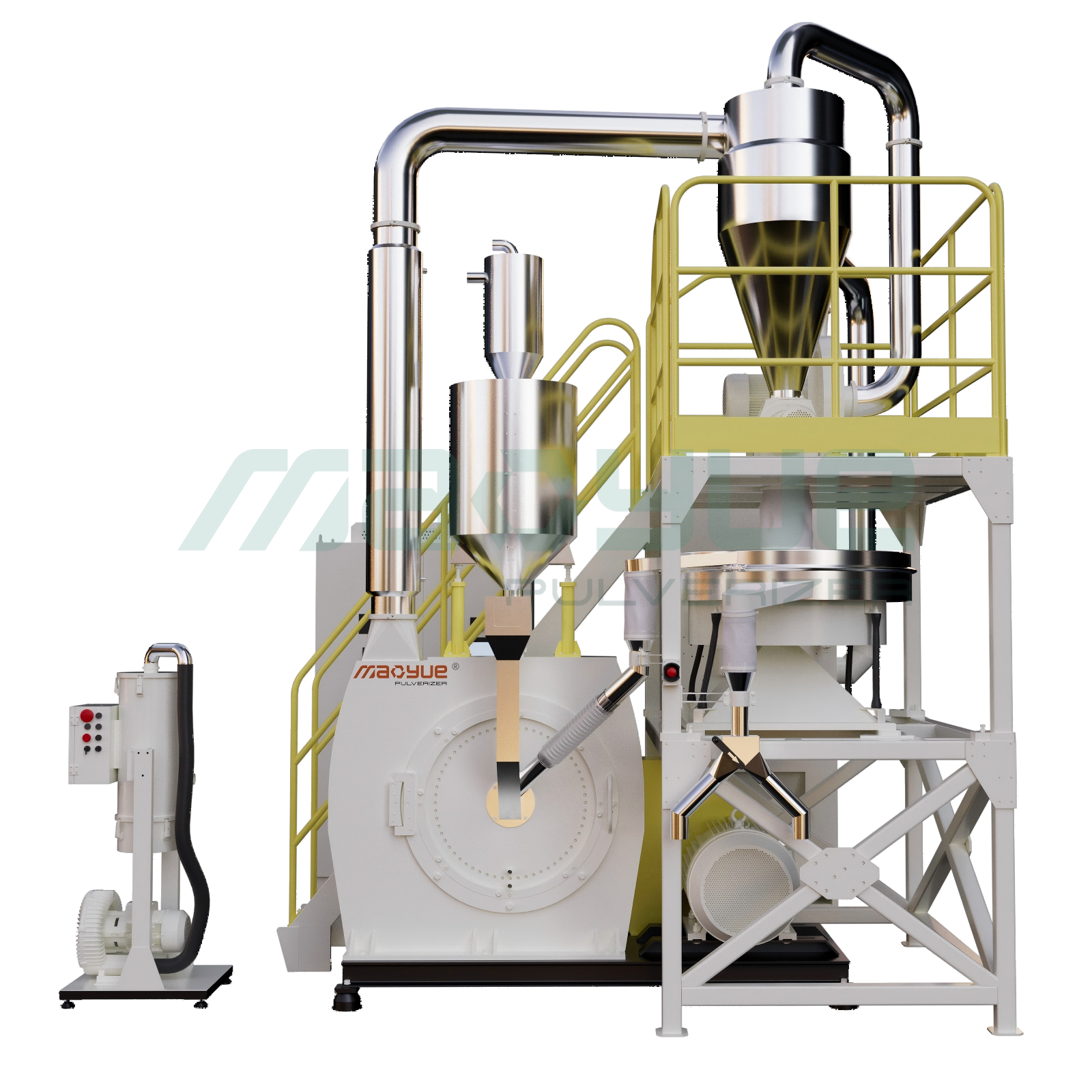
The heart of your Plastic Pulverizer Machine is its motor and electrical control system. If these components fail, your entire production line grinds to a halt. You must treat the electrical cabinet with the same care as the grinding chamber. Monthly inspections of terminal connections and contactors are vital to prevent loose wires or arcing. Dust buildup inside the cabinet can cause short circuits, so keep it clean and dry. A quick visual check once a month saves you from sudden, expensive electrical failures.
Electrical Component | Maintenance Action | Frequency |
Terminal Connections | Check for looseness and heat signs | Monthly |
Electrical Contactors | Inspect for pitting or carbon buildup | Monthly |
Motor Bearings | Apply high-temperature grease | Every 3–5 months |
Motor Cooling Fins | Remove dust and debris | Weekly |
Your motor works hard every day, so it needs regular attention to keep running smoothly. Dust often settles on the cooling fins, which traps heat and forces the motor to work harder than necessary. Use compressed air to clean these fins regularly, ensuring the motor stays within safe temperature limits. You should also lubricate the motor bearings every three to five months. Use high-quality grease to keep friction low and prevent the bearings from seizing during long production runs.
● Uniform Feeding: Never dump large, irregular chunks into the hopper all at once. Consistent, steady feeding prevents the machine from choking and protects the motor from sudden, damaging spikes in torque.
● Load Management: Watch your ammeter closely during operation. If you see the needle jumping into the red zone, reduce the feed rate immediately to avoid overloading the system.
● Advanced Control: Modern technology makes this much easier for you. Advanced systems, such as those integrated by Changzhou Maoyue, often feature PLC cabinets with soft start or frequency conversion. These tools automatically manage the load, preventing motor strain and ensuring the machine runs at the most efficient speed for the material you are processing.
Feeding discipline is perhaps the simplest way to extend the life of your equipment. It is tempting to push the Plastic Pulverizer Machine to its maximum capacity, but slow and steady wins the race. When you maintain a controlled flow of material, you reduce the mechanical stress on the rotor and the electrical stress on the motor. This balance keeps your power consumption stable and prevents the machine from vibrating excessively. If you notice the machine struggling, take a moment to adjust the feed rate rather than forcing it to work through a blockage. Proper habits here turn a high-maintenance machine into a reliable workhorse for your factory.
A: Always use high-temperature grease designed for industrial bearings. Avoid cheap, low-grade products, as they fail under heavy loads and increase mechanical wear.
A: Cut power immediately. Open the door cover, clear all material from the grinding chamber, and ensure the disc is free before restarting.
A: Yes. Practice shows adding 20–30% recycled powder to your formula maintains the physical and chemical properties of new products.
A: Excessive feeding causes blockages and motor overload. Uniform, controlled feeding ensures stable operation and prevents material from melting or agglomerating.
Proactive maintenance is a smart investment, not just an operational cost. It secures your long-term success.
Consistent care keeps your Plastic Pulverizer running at peak performance. Implement these essential routines today to ensure reliability. Your machine will reward you with years of dependable service.


