Specializing in the production of Plastic Pulverizer Machines.

Views: 0 Author: Site Editor Publish Time: 2026-08-18 Origin: Site
You want your plastic pulverizer machine to deliver consistent, high output every day. Issues like incorrect feed size, excess heat, disc wear, and poor airflow can quickly reduce efficiency. Regular checks and proper maintenance help you avoid these problems.
Maoyue stands out in the industry for several reasons:
The company meets strict European quality standards for machine performance.
High-quality materials give you durable and efficient equipment.
Continuous innovation keeps you ahead of competitors.
You need to pay close attention to the size and consistency of the feed material. Maoyue’s plastic pulverizer machine offers customization options that help you match the feed size to your specific requirements. When you use inconsistent feed sizes, you create variations in motor load. This leads to wasted energy and uneven powder production. The steady flow of material is essential for optimal throughput and efficiency. Oversized feed materials can cause uneven processing, resulting in a wide particle size distribution. If the crusher’s screen configuration does not match the input material thickness, you end up with a mix of particle sizes. Fine particles may melt and degrade before larger pieces are fully processed. This results in density variations and localized degradation in the final output pellets. You must ensure that the feed size remains uniform to avoid these issues.
Material hardness plays a major role in the wear rate of your pulverizer discs. You should select high-quality materials for grinding, such as special alloys or hardened steels. These materials endure significant friction and impact during grinding, which reduces wear rates. However, wear is inevitable over time, so you must monitor disc condition as part of your maintenance routine.
The hardness of grinding materials directly affects their wear rate.
High-quality materials like tungsten carbide-based alloys offer excellent hardness and wear resistance.
These materials withstand friction and impact, helping you reduce disc wear.
Moisture content in feed material also influences the risk of caking and blockages. Excessive moisture causes raw materials to clump together. These clumps stick to the interior surfaces of the plastic pulverizer, leading to significant blockages. Managing moisture levels is crucial to prevent operational issues and maintain steady throughput.
You need to optimize the feed rate to maximize output and efficiency. Moisture content and feed volume are critical factors when selecting size reduction equipment. Oversized or moist feed materials can lead to uneven processing and a wide particle size distribution. Inconsistent feed sizes cause variations in melting and degradation during processing, which reduces the efficiency of the plastic pulverizer. When you optimize the feed rate, you prevent overloading and minimize the risk of blockages or caking.
Regular maintenance and careful monitoring of feed size, material hardness, and moisture content ensure that your plastic pulverizer operates at peak performance. You avoid blockages, reduce disc wear, and maintain consistent output.
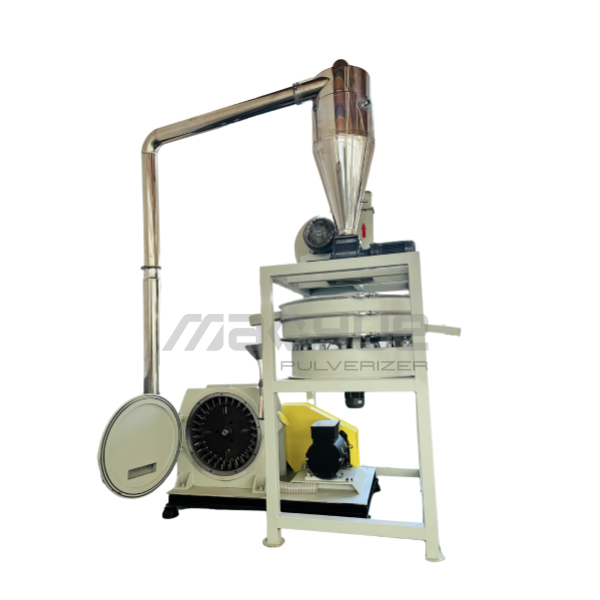
You must control heat inside your plastic pulverizer machine to maintain steady output and prevent powder agglomeration. Excessive heat causes plastic particles to stick together, forming clumps that reduce throughput and disrupt grinding. When powder lingers and melts onto machine components, you face long-term performance issues. Repeated exposure to high temperatures alters powder characteristics, leading to oxidation and particle coarsening. These changes decrease powder flowability and packing density, resulting in non-uniform spreading and inconsistent energy absorption during grinding. You see defects in the final product and a drop in efficiency.
You need to monitor temperature closely to prevent overheating and protect your plastic pulverizer. Best practices include:
Invest in a temperature monitoring device to track internal heat levels.
Set up an alarm system that alerts you when temperatures exceed safe limits.
Use digital thermostats for real-time readings of critical components.
Implement auto-feeder interlocks that slow or stop the feed if temperatures rise too high.
Keep the air fan running after shutdown to cool the system.
Maoyue integrates advanced cooling and monitoring solutions, ensuring you detect overheating early and take action before it affects throughput.
Effective heat management keeps your pulverizer running smoothly and protects grinding efficiency. The most reliable methods include:
Method | Description |
|---|---|
Water Cooling Jackets | Surrounds main housing and bearing seats with water-cooling channels to prevent heat transfer. |
Air Volume Control | High-volume fans move air through the grinding chamber, cooling plastic particles effectively. |
Temperature Sensors | Monitors discharge temperature and adjusts feed rate if it exceeds 60°C to prevent overheating. |
You should check cooling systems for blockages and maintain proper water levels. Clean fans regularly to maximize cooling. Maoyue’s dual-cooling circuits and dedicated chillers help you operate efficiently, even in high-ambient environments. Airflow not only cools the chamber but also transports powder, maximizing utility and maintaining steady throughput.
Regular maintenance and heat management protect your plastic pulverizer machine from efficiency loss and ensure consistent grinding performance.
You must recognize the early signs of disc wear to keep your plastic pulverizer machine running efficiently. When discs start to wear, you notice several clear indicators:
Abnormal noise during operation. If you hear metal collision sounds, you may have loose tools or foreign objects inside. Dull friction sounds often mean the bearings lack oil or are damaged.
Decreased production. You should check for clogged screen mesh and confirm if the tool is excessively worn. Make sure the feeding speed stays uniform to avoid sudden drops in throughput.
Excessive powder temperature. If the powder gets too hot, reduce the feeding speed and check if your cooling system works properly. Confirm that the tool clearance is appropriate.
Disc wear directly impacts grinding efficiency. When discs lose their sharpness, you see a drop in throughput and an increase in energy consumption. Worn discs struggle to cut and grind plastic evenly, which leads to inconsistent particle sizes and higher powder temperatures. You risk overheating the plastic pulverizer and damaging other components. Uneven grinding also causes more frequent blockages and reduces the quality of your final product.
Maoyue uses high-quality grinding discs made from heavy-duty alloy steel. These discs resist abrasion and maintain their sharpness longer, especially when you process dirtier materials. You benefit from stable grinding performance and reliable output.
You need a solid maintenance routine to extend the life of your pulverizer and keep grinding efficiency high. Follow these steps:
Regularly check the blades to ensure they stay sharp. Dull blades lead to inefficient cutting and increased heat generation.
Use grinding discs made from heavy-duty alloy steel. This material enhances resistance to abrasion and supports consistent grinding.
Schedule routine inspections and replace discs as soon as you notice signs of wear.
Consistent maintenance and timely replacement of grinding discs protect your pulverizer from efficiency loss and ensure steady throughput.
You need to manage airflow carefully in your plastic pelletizing machine. Airflow plays a key role in separating materials and maintaining powder quality. When airflow is strong and steady, it helps remove contaminants from plastic flakes. This process keeps your recycled materials pure and increases their market value. If you allow too much moisture in the flakes, clumping can occur. Clumps reduce the efficiency of separation and may even carry good flakes out with the waste. You should always check that airflow is balanced to avoid these problems and keep your output consistent.
Low airflow often leads to powder overheating and blockages inside the plastic pelletizing machine. When airflow drops, powder can linger in the system and start to overheat. This causes clumping and can result in reduced throughput. You might notice that the machine struggles to move material or that powder builds up in the ducts and filters. Regular inspections help you spot these issues early. Listen for unusual sounds and check for uneven powder flow. If you see a sudden drop in output, inspect the airflow paths for obstructions.
You can improve airflow by using a machine designed for efficient circulation and separation. Maoyue’s plastic pelletizing machine uses several advanced features to optimize airflow and prevent powder overheating:
Design Feature | Function |
|---|---|
Internal airflow circulation | Optimizes powder conveying and classification efficiency, preventing overheating. |
Separation systems | Enhances final powder consistency and aids in effective airflow management. |
Temperature control systems | Tailored to different materials to prevent thermal degradation during the pulverizing process. |
These features work together to keep your pulverizer cool and efficient. You get steady output and avoid problems like reduced throughput or powder clumping. Regular maintenance and smart design help you achieve the best results from your plastic pelletizing machine.
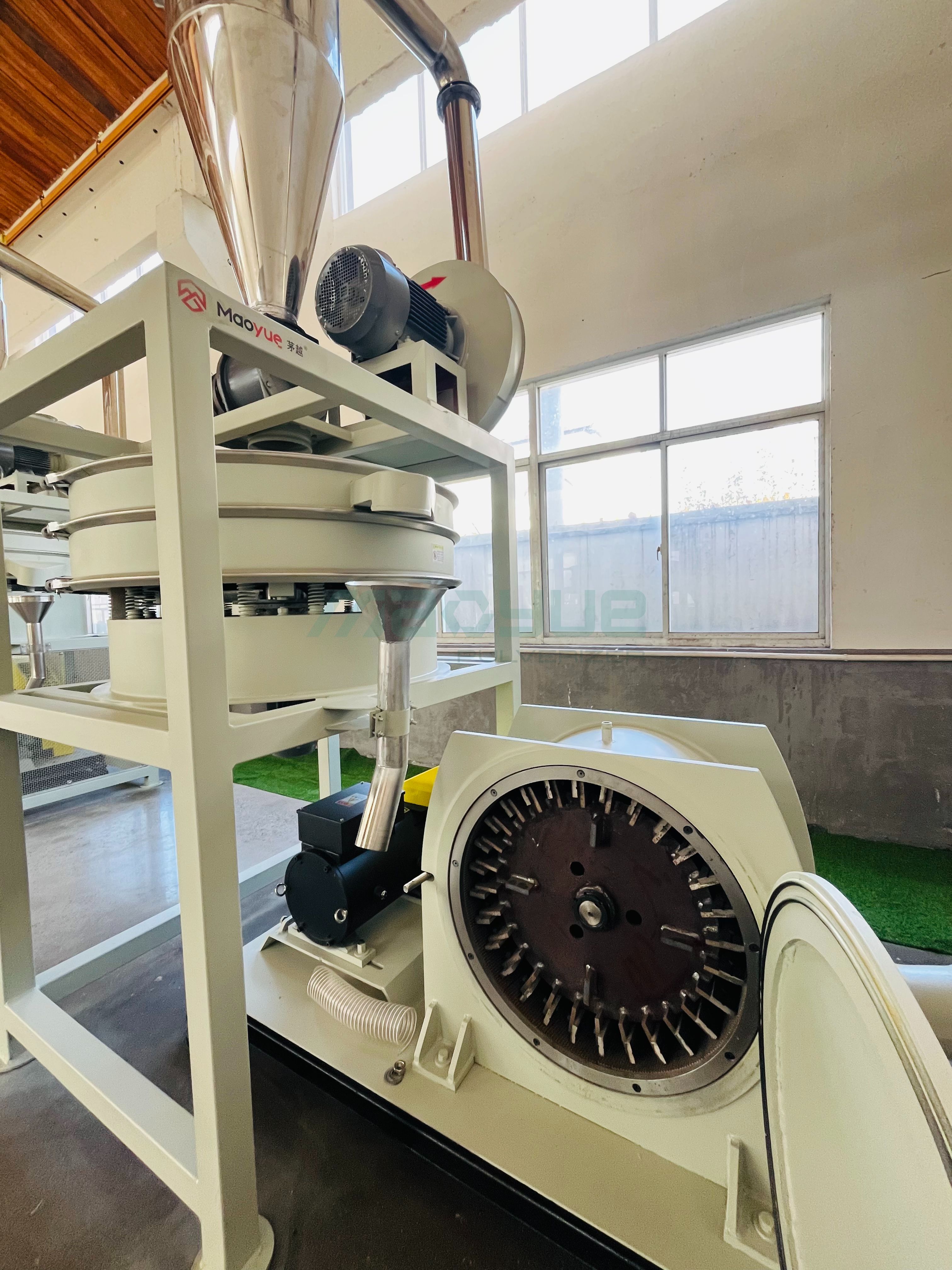
You need a clear process to troubleshoot common issues and restore high output in your pulverizer. Start by checking the feed size and consistency. Inspect the grinding chamber for signs of overheating or powder agglomeration. Listen for abnormal noises that indicate disc wear. Examine the airflow system for blockages or reduced circulation. Use temperature sensors and monitoring devices to detect heat problems early. Review the output quality and particle size to identify irregularities. When you follow these steps, you practice effective troubleshooting and quickly pinpoint the source of problems.
You must follow a preventive maintenance schedule to avoid output drops in your plastic pelletizing machine. Regular maintenance keeps your equipment running smoothly and prevents unexpected downtime. The most successful practices include:
Keep the machine clean at all times
Monitor blade condition regularly
Ensure proper lubrication
Check bearings and rotating parts
Maintain proper cooling system function
Avoid overloading the machine
Inspect electrical components
Use quality raw material
Train your operators properly
You protect your pulverizer from wear and overheating when you follow these steps. Clean equipment and sharp blades improve grinding efficiency. Proper lubrication and cooling prevent heat buildup. Well-trained operators recognize problems early and take action before output drops.
Maoyue offers tailored support to help you troubleshoot unique output challenges. You receive OEM and ODM services that match your production needs. The company adapts solutions based on material type, mesh size, capacity, and factory layout. You get equipment that fits your workflow and delivers consistent high output.
Factors | Description |
|---|---|
Material type | Tailored solutions based on the specific material being processed. |
Required mesh size | Customization to achieve the desired particle size. |
Production capacity | Solutions designed to meet specific production needs. |
Factory layout | Adaptations based on the physical layout of the production facility. |
You benefit from Maoyue’s expertise and commitment to quality. The team helps you troubleshoot common issues and optimize your pulverizer for maximum efficiency. Customized solutions ensure your grinding process meets industry standards and delivers reliable results.
You can prevent output drops in your Maoyue Plastic Pulverizer Machine by managing feed size, controlling heat, monitoring disc wear, and optimizing airflow. Regular maintenance and close monitoring keep your machine running at peak efficiency.
High-quality manufacturing ensures core component durability.
Advanced technology leads to efficient cooling systems that prevent overheating and maintain powder quality.
Comprehensive support services enhance operational stability and reduce maintenance costs.
Trust Maoyue’s expertise to help you achieve long-term reliability and superior results.
You often see output drop from inconsistent feed size, overheating, disc wear, or poor airflow. Regular checks and proper maintenance help you prevent these issues and keep your machine running efficiently.
You should inspect grinding discs every 200-300 hours of operation. Replace them when you notice dull edges, abnormal noise, or reduced output. Maoyue recommends following a strict maintenance schedule for best results.
You should avoid processing wet materials. High moisture causes caking and blockages. Always dry your feed material before grinding to maintain steady output and prevent machine damage.
Maoyue provides OEM/ODM customization, technical support, and expert guidance. You can contact their team for personalized troubleshooting, spare parts, and maintenance recommendations.


