Specializing in the production of Plastic Pulverizer Machines.

Views: 0 Author: Site Editor Publish Time: 2026-06-18 Origin: Site
Are you aware that millions of tons of PVC waste end up in landfills each year? Recycling PVC materials is crucial for a sustainable future.
In this article, we’ll explore the role of PVC pulverizer machines in transforming waste into reusable materials.
You’ll learn how these machines work, their applications in recycling pipes, profiles, floors, and wall panels, and why Changzhou Maoyue Intelligent Equipment Co., Ltd. is a trusted leader in this field.
A PVC pulverizer machine is an essential tool in the recycling industry. Its main purpose is to grind rigid or flexible PVC waste into fine powder. This powder can then be blended with virgin resin to produce new products like pipes, profiles, floors, and wall panels. The efficiency of these machines plays a crucial role in reducing plastic waste and promoting sustainable practices.
Understanding how a PVC pulverizer machine works involves looking at its key components. Here’s a quick overview:
Milling Chamber: The heart of the machine where the grinding occurs. It houses the rotating disc and stationary disc.
Rotating Disc: This component spins at high speeds, shearing the PVC material into smaller particles.
Stationary Disc: Fixed in place, it works in conjunction with the rotating disc to create a grinding effect.
Cooling System: PVC is heat-sensitive, so a cooling system (often water and air) is used to prevent overheating during the grinding process.
These components work together seamlessly. The rotating disc breaks down the material, while the stationary disc ensures a consistent particle size. The cooling system helps maintain the integrity of the PVC, preventing degradation.
Not all PVC materials are the same, and neither are the pulverizers designed to process them. Here are some variations:
MF-500 Model: Ideal for smaller-scale operations, this model features a disc diameter of 470 mm and a capacity of 100-200 kg/h. It's perfect for recycling PVC pipes and profiles.
MF-700 Model: This model has a larger disc diameter of 660 mm and can handle 100-300 kg/h. It balances performance and efficiency, making it suitable for medium-volume production.
MF-850 Model: Designed for high-output needs, it features a disc diameter of 660 mm and a capacity of 300-800 kg/h. This model is excellent for large PVC pipe and profile recycling operations.
Model | Disc Diameter | Power | Capacity | Application |
MF-500 | 470 mm | 37–45 kW | 100–200 kg/h | PVC pipes/profiles |
MF-700 | 660 mm | 55 kW | 100–300 kg/h | PVC pipes/profiles |
MF-850 | 660 mm | 90 kW | 300–800 kg/h | Large PVC pipe/profile recycling |
These variations allow manufacturers to choose the right machine based on their specific needs. Whether processing small batches of PVC scraps or large volumes, there’s a suitable pulverizer available.
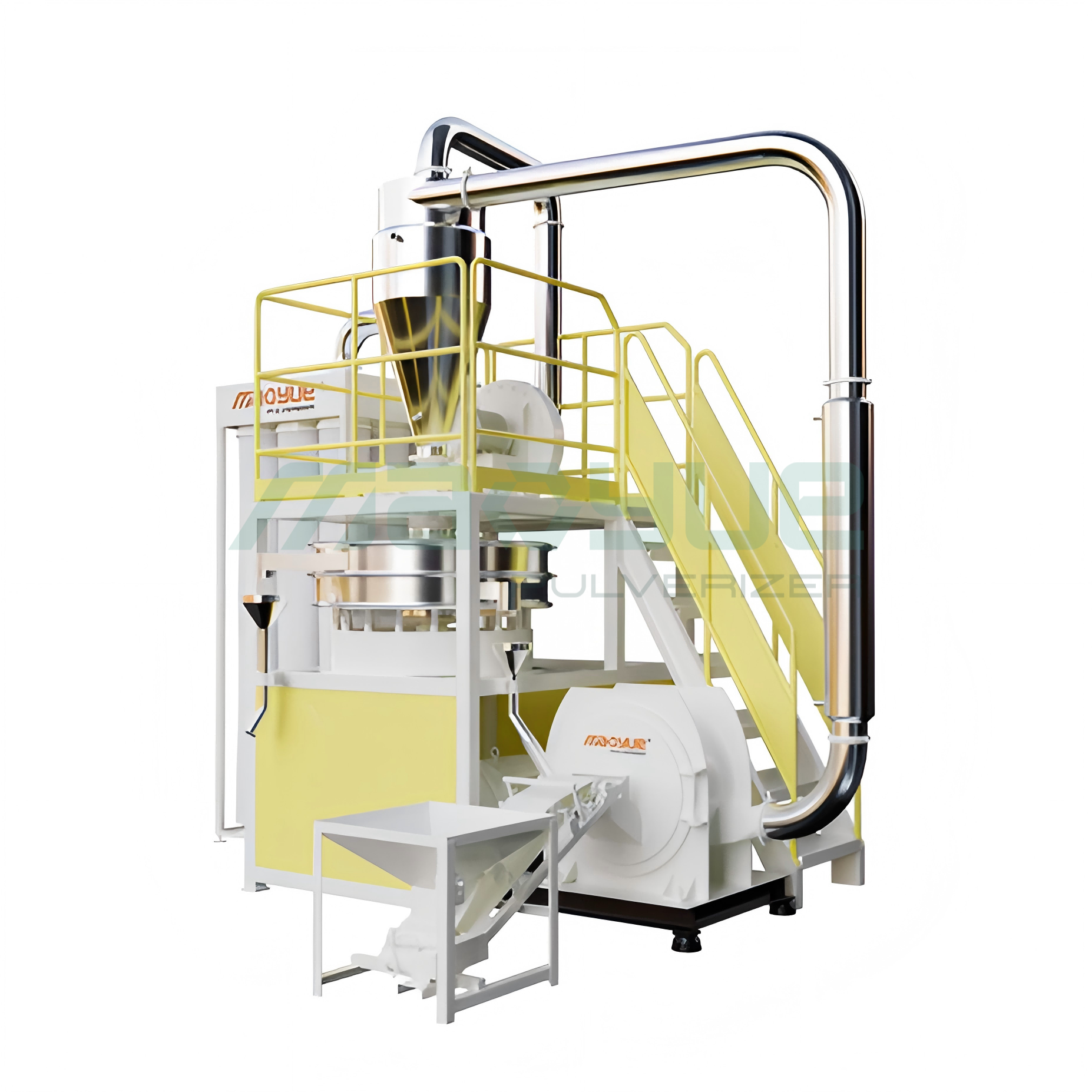
When it comes to recycling PVC materials, the choice of pulverizer is crucial. PVC pulverizer machines come in various models, each designed to meet specific needs. Let’s take a closer look at the MF Series models and their specialized features.
The MF Series offers a range of machines tailored for different applications. Here’s an overview of the key models:
MF-500
Disc Diameter: 470 mm
Power: 37–45 kW
Capacity: 100–200 kg/h
Ideal For: Smaller operations focusing on PVC pipe and profile recycling.
MF-700
Disc Diameter: 660 mm
Power: 55 kW
Capacity: 100–300 kg/h
Ideal For: Medium-volume production, balancing efficiency and performance.
MF-800
Disc Diameter: 660 mm
Power: 55–75 kW
Capacity: 300–500 kg/h
Ideal For: Optimized for processing PVC sheet and film waste.
MF-850
Disc Diameter: 660 mm
Power: 90 kW
Capacity: 300–800 kg/h
Ideal For: High-output needs, perfect for large PVC pipe and profile recycling.
Model | Disc Diameter | Power | Capacity | Application |
MF-500 | 470 mm | 37–45 kW | 100–200 kg/h | PVC pipes/profiles |
MF-700 | 660 mm | 55 kW | 100–300 kg/h | PVC pipes/profiles |
MF-800 | 660 mm | 55–75 kW | 300–500 kg/h | PVC sheet and film waste |
MF-850 | 660 mm | 90 kW | 300–800 kg/h | Large PVC pipe/profile recycling |
These models differ mainly in their capacity and power, making it easy for businesses to select the right machine based on their production needs.
What sets these PVC pulverizer machines apart are their specialized features. Here are some highlights:
Cooling Systems:
The MF Series incorporates a water and air dual cooling system. This prevents overheating during the grinding process, which is crucial for maintaining the quality of PVC powder. Without proper cooling, PVC can degrade, affecting its reuse potential.
Blade Technology:
High-performance blades are designed for durability and efficiency. These blades can handle tough materials, ensuring consistent particle size and quality. They are easy to replace, reducing downtime during maintenance.
Adjustable Grinding Gap:
The machines allow operators to adjust the grinding gap, enabling customization based on the specific PVC material being processed. This flexibility is essential for achieving the desired powder fineness.
These features enhance the efficiency and effectiveness of PVC pulverization, making the MF Series a popular choice among manufacturers. By investing in a quality PVC pulverizer machine, companies can streamline their recycling processes and contribute to a more sustainable future.
Understanding how a PVC pulverizer machine operates is key to appreciating its role in recycling. The machine is designed to efficiently grind PVC materials into fine powder, which can then be reused in various applications. Let’s break down the process and explore how it all works.
The pulverization process involves several steps, each critical for achieving high-quality output. Here’s a step-by-step breakdown:
1. Material Feeding:
Pre-shredded PVC flakes are fed into the milling chamber. This is usually done using a vibrating feeder for consistent flow.
2. Grinding:
Inside the milling chamber, the high-speed rotating disc interacts with the stationary disc. This combination creates a shearing action that grinds the PVC flakes into smaller particles.
3. Temperature Control:
Maintaining the right temperature is crucial. PVC is sensitive to heat, and excessive temperatures can lead to degradation. The dual cooling system (water and air) prevents overheating, ensuring the quality of the powder remains intact.
4. Sifting and Sorting:
The ground material is then passed through a vibrating sieve. This separates the fine powder from larger particles. Only the material that meets the desired mesh size (typically 20-80 mesh) is collected for reuse.
5. Discharge:
Finally, the qualified powder is extracted using a cyclone blower. This process cools the powder further before it is deposited into collection bags or silos.
The types of PVC materials suitable for pulverization vary widely. Here’s a closer look at what can be processed:
Types of PVC Materials:
Rigid PVC: Commonly used in pipes and profiles.
Flexible PVC: Found in films and sheets.
Scrap PVC: Offcuts and waste from manufacturing processes.
The output from a PVC pulverizer machine is typically classified based on particle size, which is crucial for its intended application. Here are some common classifications:
Output Size | Mesh Size | Application |
Fine Powder | 20-50 mesh | Ideal for producing new PVC products |
Medium Powder | 50-80 mesh | Used in color masterbatch and blends |
Coarse Powder | 10-20 mesh | Suitable for specific manufacturing processes |
By understanding the types of materials that can be processed and the expected output sizes, manufacturers can optimize their recycling operations. This not only enhances efficiency but also contributes to sustainability efforts by reducing plastic waste.
Utilizing a PVC pulverizer machine effectively allows companies to turn waste into valuable resources, supporting both economic and environmental goals.
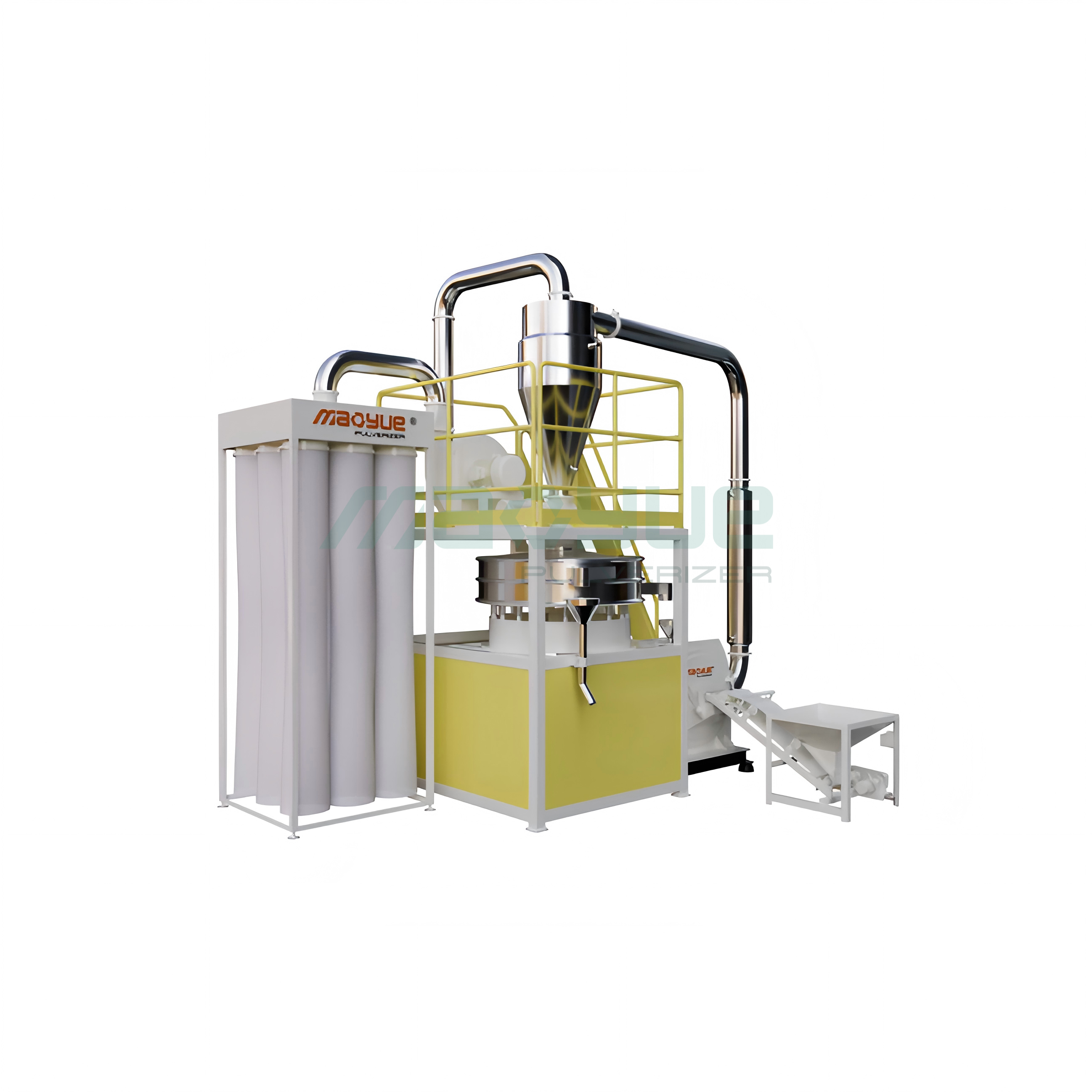
Selecting the right PVC pulverizer machine is crucial for optimizing your recycling operations. With various models available, understanding the key factors can help you make an informed decision. Here’s what to consider.
When choosing a PVC pulverizer, keep these factors in mind:
Production Capacity and Throughput:
Determine your production needs. How much PVC waste do you process daily?
Different models offer varying capacities. For instance, the MF-500 is suitable for smaller operations, while the MF-850 is designed for high-output requirements.
Energy Efficiency and Maintenance Needs:
Look for machines that offer energy-efficient operations. This can significantly reduce your operating costs.
Consider maintenance requirements. Easy access to components for cleaning and repairs can save time and money. Machines like those from Changzhou Maoyue Intelligent Equipment Co., Ltd. are designed for ease of maintenance.
Customization Options for Specific Applications:
Assess whether the machine can be tailored to your specific recycling needs. Some operations require different output sizes or processing capabilities.
Customization options can enhance efficiency and ensure you get the most out of your investment.
The manufacturer you choose plays a significant role in the performance and longevity of your PVC pulverizer. Here are some points to consider:
Importance of Selecting a Reputable Manufacturer:
A well-established manufacturer often has a proven track record. Look for companies with experience and positive customer feedback.
Maoyue, for example, has over 30 years of industry experience and a strong reputation for quality equipment.
After-Sales Support and Service Considerations:
Reliable after-sales support is essential. This includes technical assistance and availability of spare parts.
Check if the manufacturer offers global technical support. This can be invaluable if you face issues with your machine. Maoyue provides comprehensive support, ensuring that you can maintain optimal performance.
Factors to Consider | Description |
Production Capacity | Match machine capacity to your daily needs |
Energy Efficiency | Look for machines that minimize operating costs |
Maintenance Needs | Choose machines designed for easy upkeep |
Customization Options | Ensure the machine meets your specific needs |
Manufacturer Reputation | Opt for established companies with positive reviews |
After-Sales Support | Verify availability of technical assistance and parts |
By carefully evaluating these factors, you can choose a PVC pulverizer machine that not only meets your operational needs but also contributes to a more sustainable recycling process. Investing in the right equipment will enhance your efficiency and support your business goals.
A: The lifespan of a PVC pulverizer machine can exceed 10 years with proper maintenance and care.
A: Regular maintenance includes cleaning the grinding chamber, checking blade sharpness, and ensuring the cooling system functions effectively.
A: Yes, many PVC pulverizer machines can process various plastics such as PE, PP, and EVA, depending on the model.
A: Always wear protective gear, ensure proper ventilation, and follow the manufacturer's operational guidelines to prevent accidents.
PVC pulverizer machines play a vital role in recycling efforts. They help convert waste into reusable materials, reducing environmental impact. Investing in PVC pulverization technology enhances efficiency and sustainability in operations.
Consider adopting these machines to improve your recycling processes and contribute to a greener future.


