Specializing in the production of Plastic Pulverizer Machines.

Views: 0 Author: Site Editor Publish Time: 2026-07-18 Origin: Site
Ever wonder how mountains of plastic waste become high-quality raw materials?
The Plastic Pulverizer Machine is the secret behind this transformation. It turns rigid scraps into fine, usable powder.
Choosing the right equipment is vital for production efficiency. With 30 years of expertise, Changzhou Maoyue Intelligent Equipment has revolutionized this process.
In this post, you’ll learn which materials a Plastic Pulverizer Machine can process. We’ll also explore how to ensure your material quality remains consistent. Let’s dive in!
At its core, a Plastic Pulverizer Machine acts as the bridge between bulky plastic waste and high-value production materials. It takes large, awkward scraps or pre-shredded pellets and subjects them to intense mechanical shear. This process breaks down the material structure until it emerges as a fine, uniform powder ready for manufacturing. Without this crucial step, recycling would remain inefficient and costly for modern plastic processing facilities.
The internal mechanics of these machines rely on a combination of speed and precision to maintain material integrity. To understand why some machines outperform others, we need to look at the specific engineering choices that define their reliability.
● Advanced Metallurgy: High-quality grinding discs, often forged from DC53 steel, provide the necessary hardness to withstand continuous friction. This material choice ensures the blades remain sharp over long production cycles, which significantly reduces maintenance downtime and prevents inconsistent output quality.
● Thermal Management: Processing plastics generates immense heat, which can easily degrade sensitive polymers or cause unwanted discoloration. A dual cooling system, utilizing both water and air circulation, keeps the grinding chamber at a stable temperature, ensuring the plastic retains its original physical properties throughout the entire cycle.
Technical Feature | Purpose | Operational Benefit |
DC53 Steel Discs | Enhances wear resistance | Extends blade lifespan and precision |
Dual Cooling System | Prevents thermal degradation | Maintains material color and quality |
Adjustable Gap Control | Regulates output fineness | Achieves specific mesh requirements |
Precision control is arguably the most critical aspect for manufacturers who require exact particle dimensions. By adjusting the gap between the grinding discs, operators can dictate the final powder size with remarkable accuracy, sometimes reaching as fine as 0.15mm. This level of control allows companies to adapt their production to meet the strict requirements of various industries, such as color masterbatch or rotomolding.
When you look at how machines like the ones from Changzhou Maoyue are built, you see this focus on adjustment and stability. They allow users to fine-tune the gap settings to reach a target mesh size, typically ranging from 20 to 120 mesh. This flexibility means you can switch between processing different types of plastic without needing a complete overhaul of your production line.
The feeding mechanism also plays a major role in how effectively the machine handles various materials. Whether you use vertical feeding to prevent clogging or high-speed vacuum suction for smaller particles, the system is designed to keep the material moving smoothly. This consistent flow prevents the chamber from overloading and ensures that every batch of powder meets your quality standards, making the entire operation more predictable and profitable for your business.
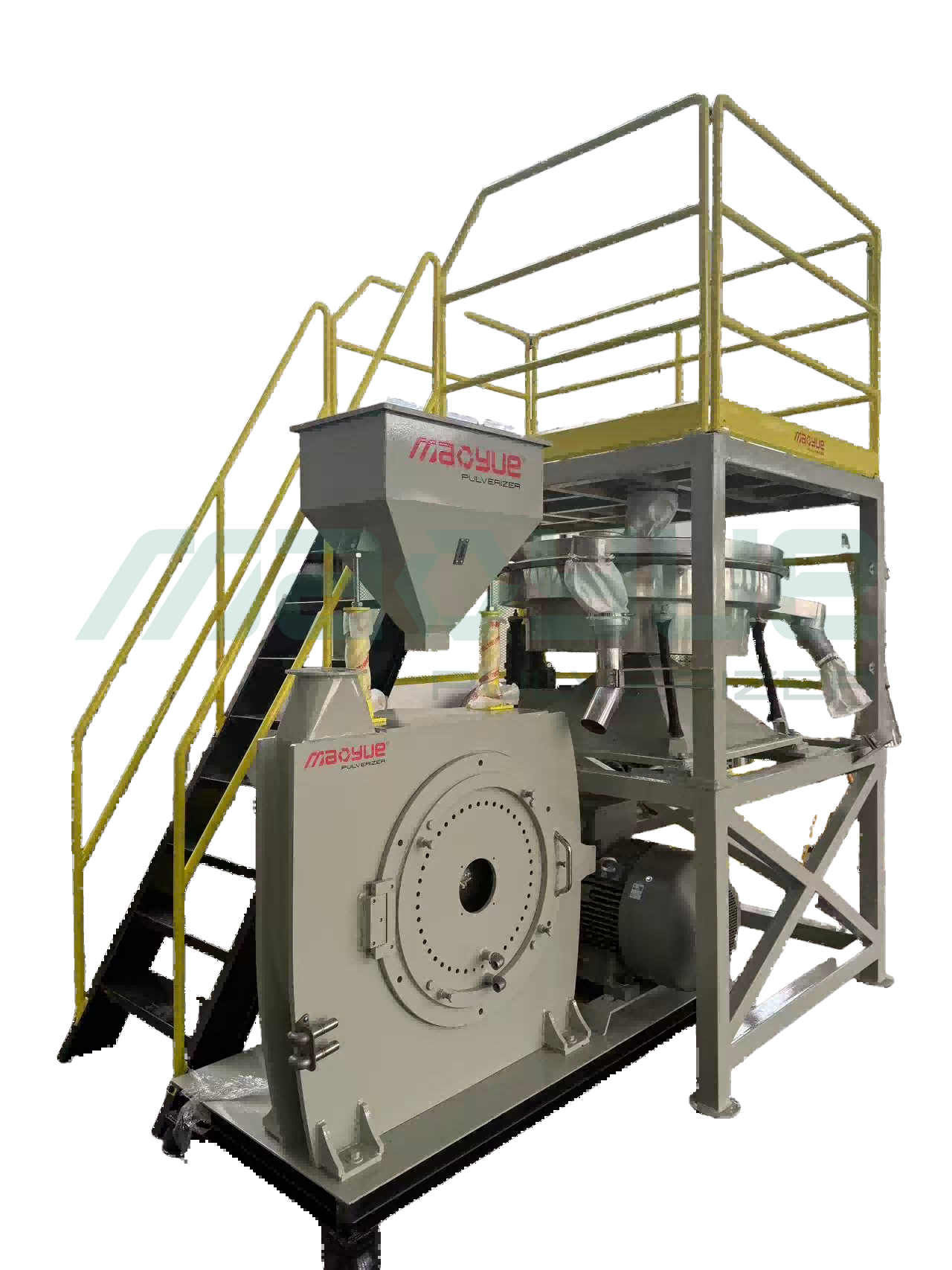
Modern pulverizing technology offers incredible versatility for manufacturers handling various thermoplastic materials. A high-performance Plastic Pulverizer Machine is designed to adapt to specific material properties, ensuring that everything from soft films to rigid engineering plastics can be transformed into consistent, high-quality powder. By understanding how different polymers react to shear force and heat, you can optimize your production line to handle a wide range of industrial inputs effectively.
Polyolefins represent the most common materials processed in recycling and compounding facilities today. These materials, including HDPE, LDPE, and LLDPE, are known for their toughness and durability, which often makes them challenging to grind without the right equipment. A well-configured pulverizer manages these materials by maintaining stable shear forces, preventing the plastic from becoming too soft or sticky during the grinding process.
● Rotomolding Applications: Fine powders produced from PE are essential for rotomolding, where uniform particle distribution ensures a smooth, defect-free surface on finished products like storage tanks and containers.
● Masterbatch Production: The consistent particle size achieved by these machines allows for better pigment dispersion, which is critical when you are creating high-quality color masterbatch products.
● High-Toughness Recycling: Because these materials are inherently resilient, the pulverizer must provide enough force to break them down while keeping temperatures low enough to avoid material degradation.
Engineering plastics require a more delicate touch because they often have specific thermal sensitivities. PVC, for example, is widely used in pipes, window profiles, and flooring, but it can easily discolor or degrade if the grinding temperature rises too high. Specialized machines solve this by using precise temperature-controlled environments, ensuring the material remains stable throughout the pulverizing cycle.
Material Type | Key Application | Processing Focus |
PVC | Pipes & Flooring | Strict thermal control |
PET | Bottles & Fibers | Consistent fine powder |
ABS/PS | Electronics & Toys | Uniform particle size |
PC | Sheets & Components | High-hardness grinding |
When you process materials like PET or ABS for secondary manufacturing, the goal is to achieve a uniform powder that behaves like virgin resin. By controlling the grinding gap and cooling intensity, you can produce a high-purity powder that is perfect for compounding or modification. This capability allows manufacturers to turn expensive engineering scrap into valuable raw material, significantly improving their bottom line.
Beyond basic resins, a Plastic Pulverizer Machine is frequently used to process complex, post-industrial plastic products. Items like wall panels, foam boards, cable insulation, and even shoe sole materials can be reclaimed and turned into useful powder. These products often contain additives or fillers, so the machine must be robust enough to handle varying material compositions without losing efficiency or damaging the grinding discs.
For specialized tasks, equipment choice matters immensely. For instance, Maoyue’s MYMF-600 model is specifically optimized for PE Masterbatch polymer pulverizing. It provides the exact shear and cooling balance needed to ensure high-quality output ranging from 20 to 120 mesh. By utilizing such tailored technology, you can ensure that even difficult-to-process profiles are converted into a powder that meets the most demanding industrial standards for your specific manufacturing needs.
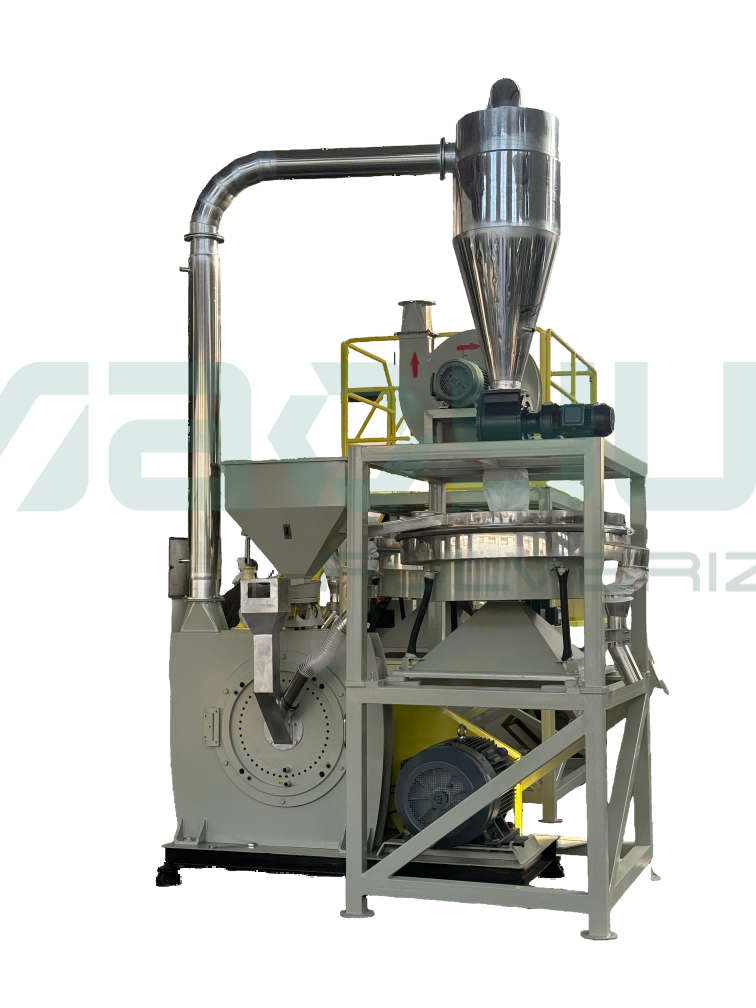
Getting the best results from your Plastic Pulverizer Machine requires more than just turning it on and feeding it material. You need to prepare your input carefully to avoid common operational headaches. Think of this pre-processing stage as the foundation for your entire production quality. When you put in the effort to prepare your scrap correctly, the machine rewards you by running smoother and producing a much more consistent powder.
Moisture is the silent enemy of high-quality plastic powder. If your material is damp, it can lead to inconsistent particle sizes and even cause clogs inside the grinding chamber. You should always ensure your input is completely dry before it enters the system. Furthermore, feeding massive chunks of plastic directly into the unit is a recipe for disaster. You must pre-shred large scrap into smaller, uniform pellets first. This step allows the Plastic Pulverizer Machine to work at its peak efficiency.
● Size Uniformity: Using pre-shredded pellets creates a steady, predictable flow into the grinding zone. This reduces the mechanical stress on the machine and prevents the uneven wear often caused by irregular, oversized pieces.
● Moisture Removal: Wet plastic doesn't just affect the final powder quality; it can lead to steam buildup and potential oxidation. Drying your material beforehand saves energy and protects the long-term health of your grinding discs.
● Operational Flow: A consistent feed rate is essential for maintaining the desired mesh size. By using pre-shredded material, you ensure the machine maintains a steady load, which keeps the output quality stable throughout your entire shift.
Preparation Step | Why It Matters | Best Practice |
Drying | Prevents degradation | Use a dedicated dryer |
Granulation | Ensures consistent feed | Use a quality shredder |
Sorting | Protects the blades | Remove all metal contaminants |
Heat is a double-edged sword during the pulverizing process. While you need energy to break down the plastic, too much heat will cause the material to melt or discolor. Overheating is a major issue for heat-sensitive plastics, as it can ruin the chemical structure of the polymer. A robust cooling system is your best defense against these problems. It keeps the grinding chamber cool enough to prevent melting, ensuring the final powder retains its original integrity.
When the temperature rises, the plastic can become gummy and stick to the grinding discs. This leads to reduced output and forces you to stop the machine for cleaning. Modern systems often use a combination of water and air cooling to manage this heat buildup effectively. By keeping the internal environment stable, you can run your Plastic Pulverizer Machine for longer periods without worrying about the material losing its color or physical properties. It is a simple but effective way to maintain the high standards your customers expect from your finished products.
A: Yes, but you must adjust settings. Different plastics require specific grinding disc gaps and cooling configurations to ensure optimal performance and prevent material degradation.
A: Maoyue pulverizers typically produce powder ranging from 20 to 120 mesh, depending on the material type and the specific disc gap settings used.
A: Use a machine with a sealed grinding chamber to contain particles. Adding a pulse dust collector effectively captures airborne dust, ensuring a clean, safe operation.
Many materials work with a Plastic Pulverizer Machine. However, success depends on your specific plastic and fineness goals.
Assess your production needs carefully. Consult with experts to find the right configuration.
Ready to improve your workflow? Evaluate your material requirements today. Contact professional manufacturers to optimize your plastic processing efficiency.


