English


Views: 0 Author: Site Editor Publish Time: 2026-08-15 Origin: Site
A plastic pulverizer machine transforms plastic waste into fine powder through a precise, multi-step process. You begin by feeding plastic materials like PE, PP, or PVC into the system. Advanced disc grinding technology then reduces these materials to consistent particles. The final step collects and stores the powder efficiently. Maoyue Plastic Pulverizer Machine stands out in the industry by processing up to 950 kg per hour for various plastics, while also delivering energy savings of up to 15% compared to traditional methods.
You can feed a plastic pulverizer machine with a variety of plastics, including PVC, PE, and PP. Maoyue offers custom solutions to match your specific production needs. The machine supports both manual and automated loading systems. Automated systems use conveyors or vacuum loaders to move plastic granules or scraps into the hopper. Manual loading works well for smaller batches or specialty materials.
Here is a quick overview of the typical throughput rates for different plastics:
Plastic Type |
Typical Throughput Rate (kg/h) |
|---|---|
PVC |
100 - 800 |
PE |
100 - 800 |
PP |
100 - 800 |
A reliable feeding mechanism is essential for efficient grinding in any pulverizer machine. The system uses a load-dependent feeder that adjusts the feed rate based on the grinding chamber’s workload. It monitors the main drive motor’s load and automatically slows down or speeds up the intake. If the motor load gets too high, the feeder reduces the material flow to prevent jams and clear the chamber.
You should maintain a uniform feed to avoid common issues. Overloading can block the air duct and reduce output. Underfeeding can also lower efficiency. The right feeding method helps you prevent problems such as clogging, overheating, and material caking. The table below shows common challenges and solutions:
Challenge |
Causes |
Solutions |
|---|---|---|
Clogging |
Material buildup, foreign objects |
Clear feed port, adjust feed rates, inspect regularly |
Overheating |
Dull blades, overloading |
Maintain blades, control load, check cooling system |
Material Caking |
High feed rate, cooling failure |
Monitor cooling, use automated feeding system |
By understanding the feeding process, you can maximize the performance of your plastic pulverizer machine and ensure consistent, high-quality powder output. This step is crucial for all types of pulverizer operations.
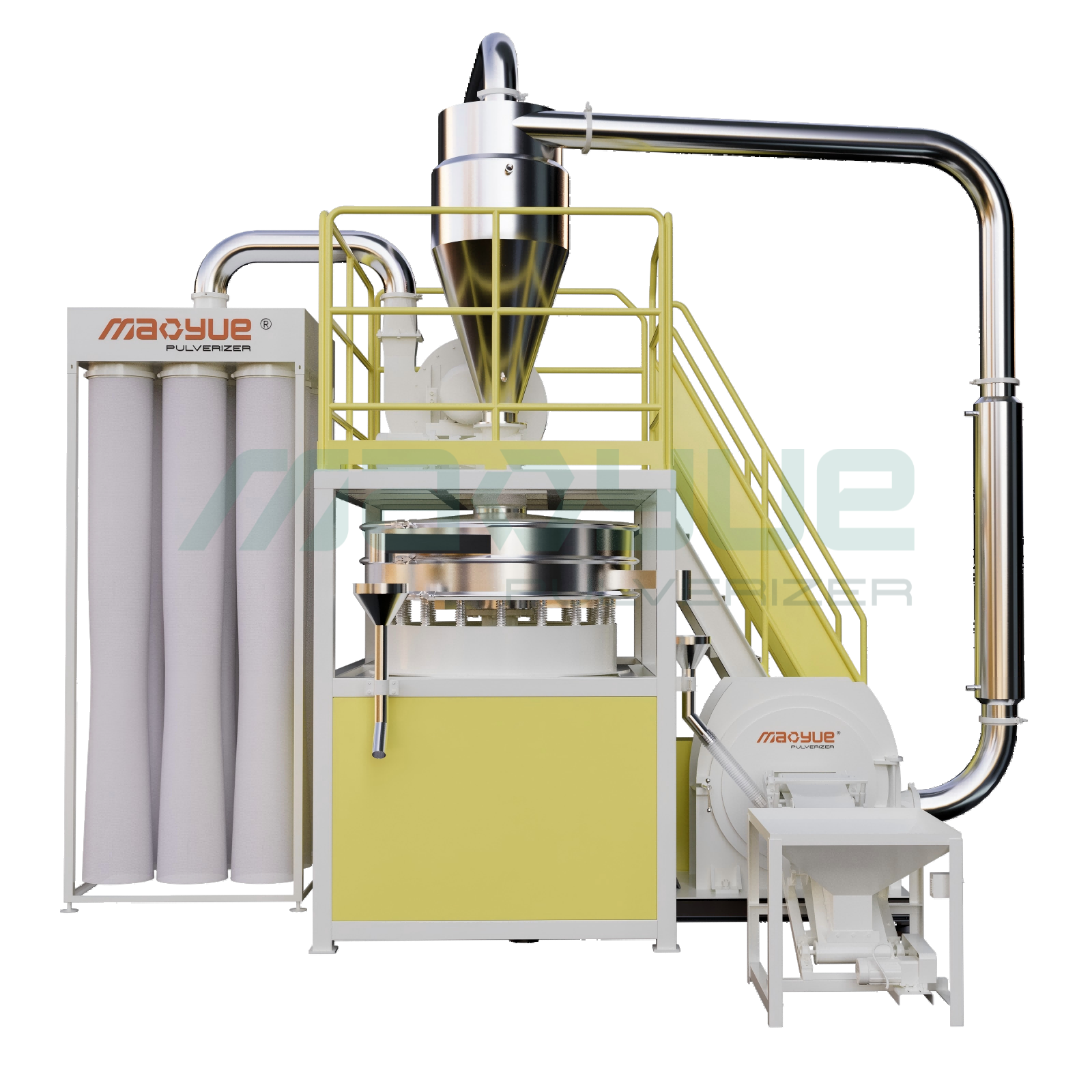
You will find that the grinding mechanism in a plastic pulverizer machine relies on two main discs: one rotates at high speed while the other remains stationary. This setup creates the core action for reducing plastic into fine powder. The discs feature modular segments, which you can replace individually. This design makes maintenance easier and reduces downtime.
The surface of each disc contains a unique tooth pattern. The structure of these teeth determines the final particle size and the efficiency of the grinding process. You can adjust the cutting clearance from outside the machine using a feeler gauge. This adjustment allows you to fine-tune the output and maintain consistent quality.
The table below summarizes key features and their impact on grinding performance:
Feature |
Description / Impact |
|---|---|
Type of Discs |
Modular, individually replaceable segments |
Disc Diameter |
300–800 mm |
Tooth Pattern |
Controls particle size and consistency |
Cutting Clearance |
Adjustable for precision and maintenance |
Cooling System |
Integrated to manage heat and protect materials |
Material |
High-hardness DC53 alloy for extended lifespan |
When you operate a plastic pulverizer machine, the working principle of plastic pulverizer discs centers on high-speed friction and shear forces. The rotating disc spins rapidly against the stationary disc. As you feed plastic granules or scraps into the grinding chamber, the discs create intense friction. This friction generates heat and causes the plastic to break down into smaller particles.
Here is how the grinding mechanism works step by step:
The rotating disc moves at high speed, creating a strong relative motion against the stationary disc.
The unique tooth pattern on both discs applies continuous impact and shear forces to the plastic.
Friction between the discs and the plastic generates heat, which softens the material and aids in grinding.
The integrated cooling system manages the temperature, preventing overheating and protecting heat-sensitive plastics like PVC.
The adjustable cutting clearance lets you control the final particle size, ensuring uniform powder output.
You can achieve a particle size range of 20–120 mesh for PE plastics with Maoyue’s advanced disc design. The high-speed rotation and efficient cooling system ensure consistent results and prevent material degradation.
Maoyue stands out by using high-precision, wear-resistant alloy materials and a unique tooth pattern. This approach distributes force evenly during grinding, resulting in finer powder and less disc wear. The company’s R&D team uses German CNC processing equipment and continuously innovates to meet diverse customer needs. You benefit from a machine that offers superior performance, lower maintenance costs, and a longer service life compared to conventional options.
Regular maintenance keeps your grinding mechanism in top condition. You should inspect blades and discs daily, lubricate moving parts, and clean out any plastic residue. Weekly, check the sharpness of the blades, tighten bolts, and inspect the cooling system. These practices help you avoid downtime and extend the life of your equipment.
By understanding how does a pulverizer work and the importance of the grinding mechanism, you can optimize your plastic pulverizer machine for maximum efficiency and reliability.
You play a key role in ensuring the plastic pulverizer machine delivers clean, usable powder. The powder separation process uses advanced technology to keep your operation efficient and safe. Here are the main steps you will see in this process:
Material Feeding: You load plastic waste or raw material into the hopper.
Grinding Mechanism: The pulverizer machine uses high-speed grinding to break down the plastic.
Size Reduction: The system sends the pulverized material through a classification unit. Oversized particles return for further grinding.
Cooling and Separation: An air-cooling system prevents overheating. A cyclone separator collects fine powder and redirects larger pieces for more processing.
Final Collection: You gather the finished powder for efficient recycling, molding, or extrusion.
This process ensures you achieve consistent size reduction and high-quality powder output. The cooling and separation step protects heat-sensitive plastics and keeps the system running smoothly.
Proper powder collection impacts your entire operation. You want a clean workspace and maximum product recovery. The Maoyue plastic pulverizer machine uses a high-efficiency powder-collecting device that meets strict quality, safety, and environmental standards. Here is how the collection and storage process benefits your workflow:
You capture fine powder, which reduces waste and keeps your workspace clean.
Effective collection minimizes health hazards and prevents dust buildup, lowering the risk of safety issues.
The system allows you to reuse valuable powder, increasing operational efficiency and supporting efficient recycling.
You can store the collected powder in sealed containers, ready for use in various applications or for transport.
You will find that different types of pulverizer machines may use similar collection systems, but Maoyue’s design stands out for its reliability and compliance with international standards. By following these steps, you maintain a safe, efficient, and environmentally friendly production line.
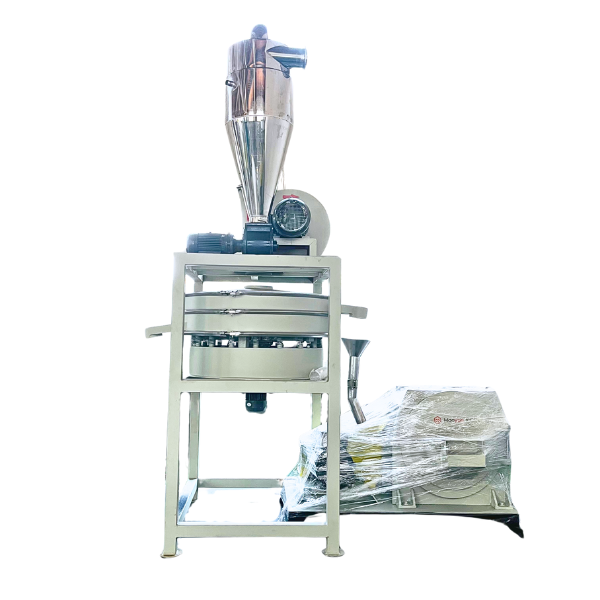
You can follow a clear workflow when using a plastic pulverizer machine. This process ensures you achieve consistent, high-quality powder from plastic waste or raw materials:
Feed & Pre-Cut: You load sorted plastic materials, such as PVC film, sheets, or profiles, into the feeding system. The machine pre-cuts the material for smooth entry into the grinding chamber.
Pulverizing: The grinding discs reduce the plastic to fine powder. You can adjust process settings to keep output stable and consistent.
Screening & Collection: The powder passes through a mesh screen. Only particles that meet your target size move forward. Oversized pieces return for further grinding.
Powder Handling: The system collects the finished powder. You can store, bag, or send it to other processes. Optional dust collection keeps your workspace clean.
Maoyue’s plastic pulverizer process uses intelligent automation. You benefit from PLC control, HMI interfaces, and real-time monitoring. These features help you maintain stable production and reduce human error. Energy-saving motors and optimized grinding structures lower your operational costs.
Maoyue holds CE certification, follows ISO quality management, and meets strict environmental standards. You can trust the machine’s safety and reliability in any market.
You gain many advantages when you use a pulverizer machine in your operation:
Conserve resources and reduce waste.
Lower energy use and operational costs.
Minimize your carbon footprint and support environmental preservation.
Create economic opportunities and support recycling industries.
Provide high-quality raw materials for manufacturing.
Maoyue plastic pulverizer machines serve global markets. You can use them for milling and crushing PVC and other plastics. These machines play a key role in the plastic recycling industry, helping you process waste efficiently.
Here are some innovations that set Maoyue apart:
Feature |
Description |
|---|---|
High efficiency |
Advanced grinding technology speeds up processing. |
Environmental protection |
Reduces dust and noise, meeting global standards. |
Energy saving |
Uses less energy, saving you money. |
Easy operation |
Automated controls make the process simple. |
Modular design |
Maintenance is quick and convenient. |
Automation in Maoyue machines boosts productivity and reduces labor costs. You get consistent product quality, less downtime, and lower maintenance needs.
You have learned how feeding, grinding, and powder collection form the core process of a plastic pulverizer machine. Understanding each stage helps you select the right equipment for your material, as PVC needs strong cooling and LDPE requires fast processing. The Maoyue plastic pulverizer machine streamlines recycling and boosts efficiency. Consider these factors:
Factor |
Description |
|---|---|
Material Characteristics |
Match machine features to material properties for best results. |
Output Capacity |
Choose based on your production needs. |
Fineness |
Align particle size with your product goals. |
You reduce waste and save energy.
You support sustainable recycling.
You can process a wide range of plastics, including PVC, PE, and PP. Maoyue also offers custom solutions for special materials. This flexibility helps you handle different recycling or manufacturing needs.
You should inspect the discs and blades daily, clean out any residue, and check the cooling system. Regular maintenance keeps your machine running smoothly and extends its service life.
Yes, you can easily adjust the cutting clearance between the grinding discs. This feature lets you control the final powder size to match your production requirements.
Maoyue machines use overload protection, dust collection systems, and automatic shutdown features. These safety measures help you protect both operators and equipment during operation.


